
LNG Petrol Supply Risk in GCC
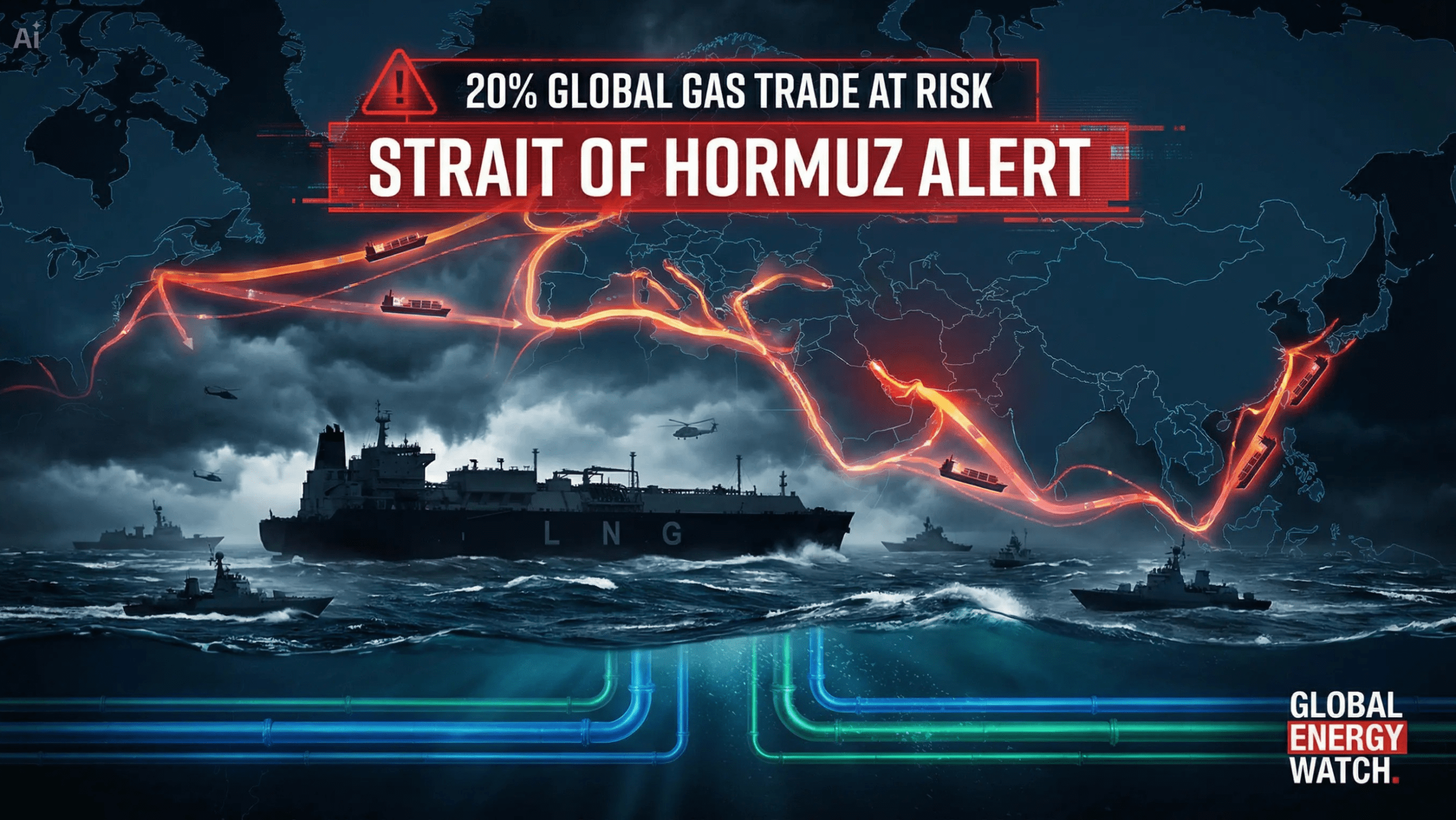
Global LNG Supply at Risk as Middle East Conflict Threatens 20% of World Gas Trade
The global energy market is facing growing uncertainty as tensions in the Middle East threaten one of the most important shipping routes for liquefied natural gas (LNG). Analysts warn that any disruption near the Strait of Hormuz could affect nearly 20% of global LNG trade, potentially triggering energy shortages in Europe and Asia while pushing gas prices sharply higher.
The strategic waterway connecting the Persian Gulf to international shipping lanes handles massive volumes of energy exports every day. Countries such as Qatar depend heavily on this route to transport LNG shipments to Europe and Asia. With rising geopolitical tensions in the region, energy traders and governments are closely monitoring the risk of a supply shock in the global LNG shipping market through the Strait of Hormuz.
Why the Strait of Hormuz Is Critical for Global Energy Supply
The Strait of Hormuz is widely regarded as one of the most important maritime chokepoints in the world. Every day, tankers carrying oil and LNG pass through the narrow waterway between Iran and Oman. Any conflict or military escalation in the region could quickly disrupt shipping routes and create ripple effects across global energy markets.
According to energy analysts, around 20% of global LNG shipments and nearly 30% of seaborne oil exports pass through this route. This makes the Strait of Hormuz a critical artery for the international liquefied natural gas supply chain.
If shipping traffic is restricted or insurance costs increase, LNG carriers may face delays or rerouting, significantly raising transportation costs.
Qatar LNG Exports Under Pressure
Qatar is currently the world’s largest exporter of liquefied natural gas. The country supplies major markets across Europe, China, Japan, South Korea, and India. Nearly all Qatari LNG shipments must pass through the Strait of Hormuz before reaching international waters.
Because of this dependency, any disruption could significantly affect the Qatar LNG export routes to Europe and Asia. Energy experts warn that even minor delays could tighten supply and push prices higher.
Qatar’s LNG production accounts for a major share of global supply, making the country a key stabilizing force in international gas markets. However, if shipping routes are disrupted, buyers in Europe and Asia may struggle to secure sufficient volumes of gas.
Major LNG Exporters Comparison
| Country | Share of Global LNG Exports | Key Export Markets |
|---|---|---|
| Qatar | 21% | Europe, China, Japan, India |
| United States | 20% | Europe, Latin America |
| Australia | 18% | Asia-Pacific |
| Russia | 8% | Europe, China |
Europe and Asia Facing Potential LNG Shortages
Europe remains heavily dependent on LNG imports since reducing pipeline gas purchases from Russia in recent years. Many European countries have signed long-term supply agreements with Qatar and the United States to secure energy supplies.
However, if shipping disruptions occur near the Strait of Hormuz, the European LNG supply chain could face major delays. Countries such as Germany, Italy, and the Netherlands rely on consistent LNG shipments to keep power plants and heating systems operating during winter months.
At the same time, Asian economies such as Japan, South Korea, and China remain among the largest LNG importers in the world. Rising competition between Europe and Asia for limited LNG cargoes could intensify if shipments are delayed.
Top LNG Importing Regions
Asia – 60%
Europe – 30%
Other Regions – 10%
This demand distribution highlights why global LNG supply disruptions affecting Europe and Asia could rapidly escalate into a broader energy crisis.
Gas Prices Could Surge if Shipping Disruptions Continue
Energy analysts warn that LNG shipping delays could trigger a sharp increase in global gas prices. Even small supply disruptions can cause major volatility in energy markets because LNG contracts are often linked to short-term trading conditions.
If LNG tankers cannot safely transit the Strait of Hormuz, the cost of transporting gas will rise dramatically due to higher insurance premiums and longer shipping routes.
The global LNG price volatility due to Middle East conflict could particularly affect European benchmark gas prices, which are already sensitive to supply disruptions.
Estimated Gas Price Impact
| Scenario | Estimated Gas Price Increase |
|---|---|
| Minor Shipping Delays | 10% – 15% |
| Partial Shipping Disruption | 25% – 35% |
| Full Strait Closure | 50% – 70% |
Shipping Insurance and Maritime Risk Rising
Another key concern for LNG markets is the increasing cost of maritime insurance. Shipping companies operating in high-risk regions must purchase special war-risk coverage to protect cargo and vessels.
In recent weeks, insurers have reportedly raised premiums for ships traveling through the Persian Gulf region. This trend highlights the growing maritime security risk for LNG tankers in the Strait of Hormuz.
Higher insurance costs are typically passed on to energy buyers, further increasing the final price of LNG deliveries.
Energy Markets Watching Developments Closely
Global energy markets are closely monitoring the evolving geopolitical situation in the Middle East. Governments across Europe and Asia are already reviewing emergency energy strategies in case LNG supply disruptions become more severe.
Several countries are expanding strategic gas reserves while also exploring alternative suppliers such as the United States, Norway, and Australia.
At the same time, renewable energy investments and energy efficiency programs are gaining renewed attention as long-term solutions to reduce dependence on imported gas.
Conclusion
The possibility of disruptions to LNG shipping routes near the Strait of Hormuz represents a serious concern for global energy markets. With nearly one-fifth of global LNG trade passing through this narrow waterway, any escalation in regional conflict could have immediate consequences for energy prices and supply security.
Qatar’s LNG exports remain essential for both European and Asian energy markets, making the stability of shipping routes in the Persian Gulf critically important. If tensions continue to rise, analysts warn that the world could face higher gas prices, tighter supply conditions, and increased competition for LNG cargoes.
For now, global markets remain cautious as governments, shipping companies, and energy traders watch developments in the region closely.
Related Post

Top Selling Models & Brands in Oman 2026
Top Selling Models & Brands in Oman 2026: Who’s Leading? | OmanWheels Market Report In [...]
Best SUVs for Oman Desert & Mountains
Best SUVs for Oman Desert & Mountains – 2026 Guide Best SUVs for Oman Desert [...]