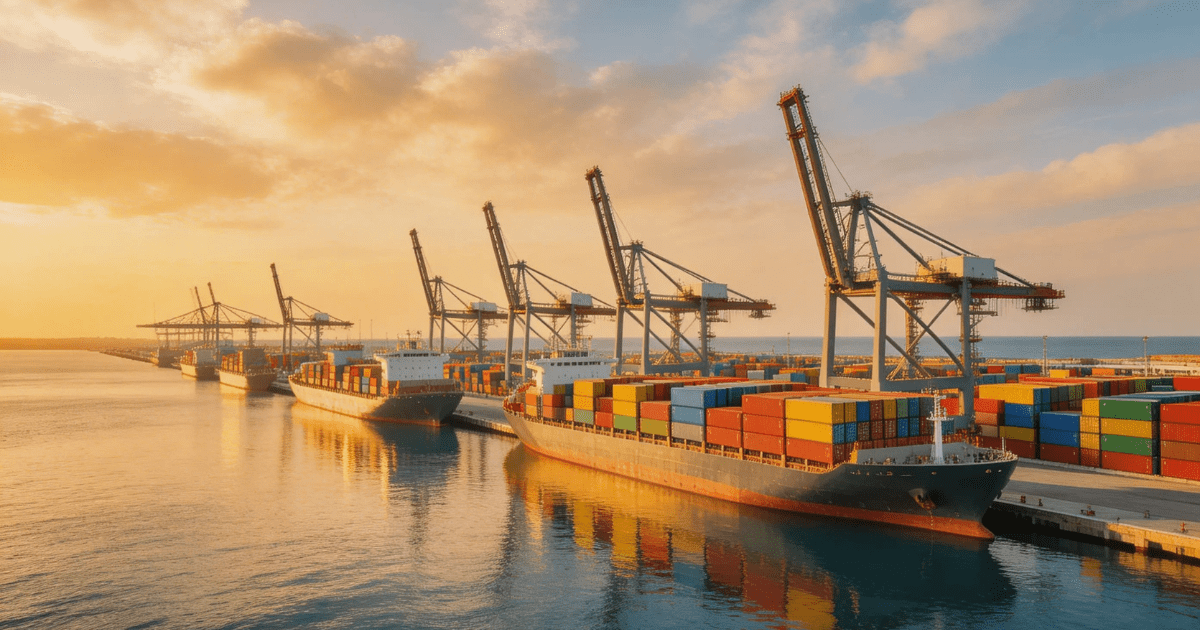
Iran Conflict Intensifies — Impact on Oman’s Petrol & Transport Costs
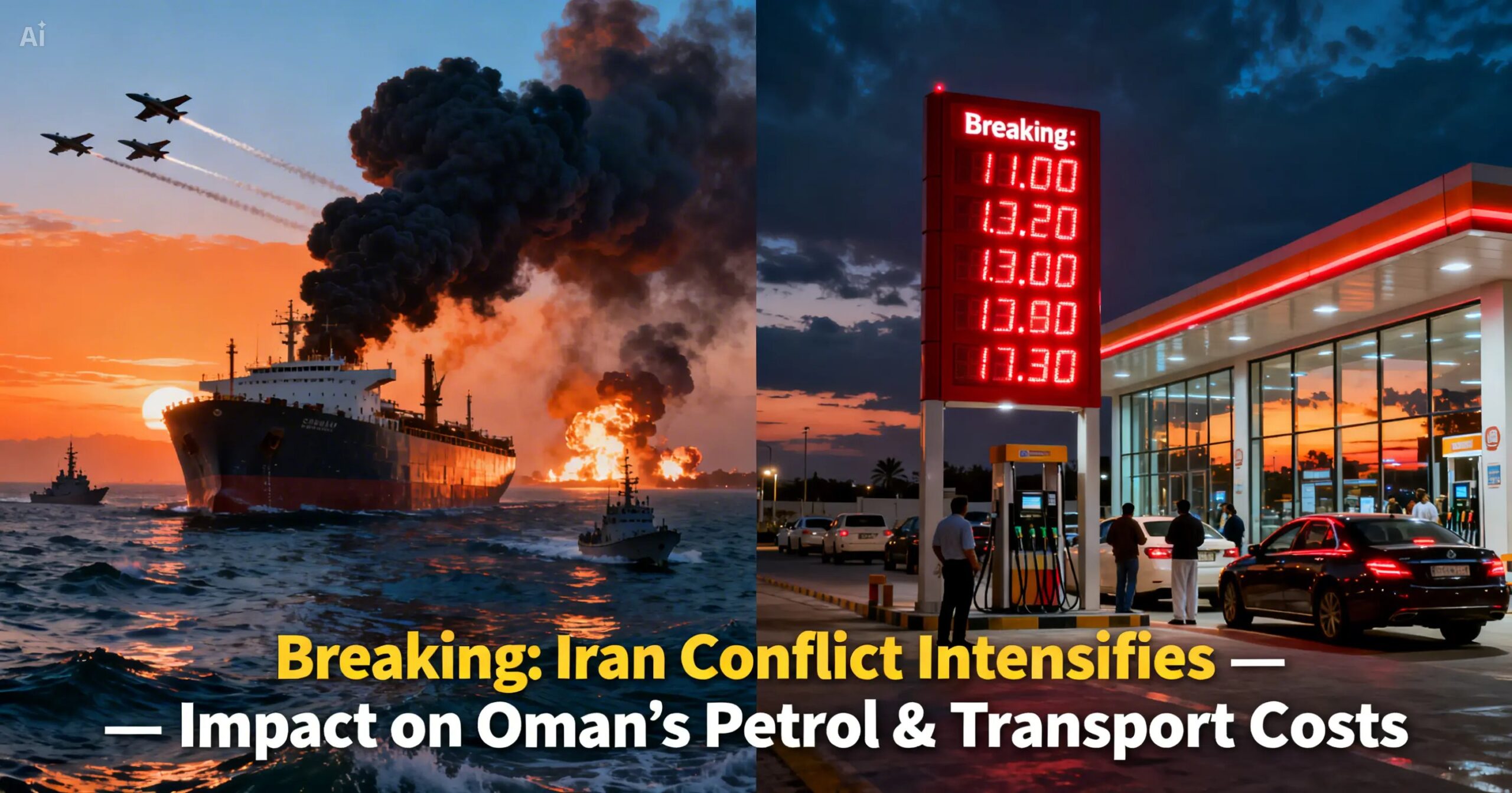
Breaking: Iran Conflict Intensifies — Impact on Oman’s Petrol & Transport Costs
Published: 2026 | OmanWheels News Desk
The latest escalation in the Iran conflict has triggered fresh concerns across global energy markets. As tensions rise near the Strait of Hormuz, economists and transport analysts are closely watching oil prices and shipping routes. For Oman — positioned directly beside one of the world’s most critical oil corridors — the situation carries immediate economic implications.
This breaking analysis explores how escalating Iran conflict could impact petrol prices in Oman, transport costs, car imports, and the used car market, while offering practical fuel-saving advice for drivers during uncertain times.
Why Oman Is Directly Affected
Oman’s geographic proximity to the Strait of Hormuz makes it particularly sensitive to geopolitical developments in the region. Nearly 20% of the world’s crude oil exports pass through this narrow waterway, connecting Gulf producers to international markets.
Any disruption — whether due to military tension, naval activity, or shipping restrictions — can immediately influence global crude prices. As international oil benchmarks rise, fuel-importing and fuel-exporting nations alike experience pricing adjustments.
The impact of Iran conflict on Oman fuel prices due to Strait of Hormuz proximity is especially significant because:
- Shipping insurance premiums increase.
- Tanker rerouting raises transport costs.
- Global crude supply fears push benchmark prices upward.
- Regional fuel pricing mechanisms adjust monthly.
Even short-term instability can create long-term economic ripple effects across the Sultanate’s transport and automotive sectors.
⛽ Possible Petrol Price Increase in Oman
Oman reviews and adjusts fuel prices based on global crude oil benchmarks. If the Iran conflict intensifies and disrupts oil flows, international prices may surge — potentially increasing local petrol and diesel costs.
Petrol Price Scenario Comparison
| Fuel Type | Current Avg Price | Moderate Conflict Scenario | Severe Disruption Scenario |
|---|---|---|---|
| M91 Petrol | 0.229 OMR | 0.245 OMR | 0.265 OMR |
| M95 Petrol | 0.239 OMR | 0.255 OMR | 0.275 OMR |
| Diesel | 0.258 OMR | 0.275 OMR | 0.300 OMR |
*Estimates based on global oil volatility trends.
Fuel Price Impact Visualization
🚗 Impact on Daily Drivers in Oman
For daily commuters traveling between Muscat, Sohar, Nizwa, and Salalah, even small increases in petrol prices can significantly affect monthly budgets.
Drivers covering 1,500–2,000 km per month may see a noticeable jump in fuel spending if prices rise by 10–15%.
Monthly Cost Impact Example
| Vehicle Type | Current Monthly Fuel Cost | Estimated Cost After Increase |
|---|---|---|
| Compact Sedan | 35 OMR | 45 OMR |
| Mid-Size SUV | 65 OMR | 80 OMR |
| Large 4×4 | 95 OMR | 120 OMR |
This is why many drivers search for best fuel-efficient cars in Oman during rising petrol prices when geopolitical uncertainty increases.
Used Car Market Reaction
Historically, higher petrol prices lead to increased demand for compact and fuel-efficient vehicles. Large V8 SUVs may see slower sales, while hybrid and 4-cylinder models gain popularity.
Search trends for fuel-efficient used cars for sale in Oman during oil crisis typically spike during regional tensions.
Drivers exploring budget-friendly options often browse: Used Cars for Sale in Oman to compare running costs and mileage efficiency.
Additionally, resale values of economical vehicles often increase during fuel price hikes.
Car Imports & Shipping Costs
The Iran conflict could also affect maritime logistics. Increased shipping insurance premiums and rerouted vessels may raise vehicle import costs.
This impacts:
- New car imports from Asia and Europe
- Japanese used car shipments
- Luxury vehicle deliveries
Buyers researching how Iran conflict affects car imports to Oman should note that delayed shipments may reduce supply and slightly increase showroom prices.
To explore dealer listings, visit: Car Dealers & Showrooms in Oman.
📦 Supply Chain Delays: Vehicles & Spare Parts
Beyond fuel, transport disruptions can delay spare parts shipments. Workshops dependent on imported components may face longer wait times.
Potential impacts include:
- Delayed vehicle maintenance
- Higher spare parts costs
- Extended repair turnaround times
The impact of Middle East conflict on automotive spare parts supply in Oman could affect garages, fleet operators, and individual drivers alike.
💰 Tips for Drivers to Save Fuel During Crisis
1. Maintain Proper Tire Pressure
Under-inflated tires increase fuel consumption. Regular checks can improve efficiency by up to 3%.
2. Drive Smoothly
Avoid aggressive acceleration and braking. Steady speeds reduce fuel waste.
3. Reduce Unnecessary Weight
Extra cargo increases engine load and fuel usage.
4. Service Your Vehicle Regularly
Clean air filters and proper engine tuning enhance fuel economy.
5. Consider Downsizing
Switching to a more fuel-efficient car can significantly lower long-term transport costs.
Outlook for Oman’s Transport Sector
While it remains uncertain how long the Iran conflict escalation will continue, Oman’s economy is closely tied to regional stability. If tensions ease quickly, fuel markets may stabilize. However, prolonged disruption could sustain higher oil prices into late 2026.
For drivers, businesses, and vehicle buyers, staying informed and making cost-conscious decisions is essential. Monitoring fuel trends and vehicle market shifts will help mitigate financial impact during uncertain times.
For continuous automotive market updates, explore the latest reports and listings at OmanWheels.
Related Post

Petrol Price Updates Today in GCC
Petrol Price Outlook in GCC: Will Drivers in Oman and UAE Pay More for Fuel [...]