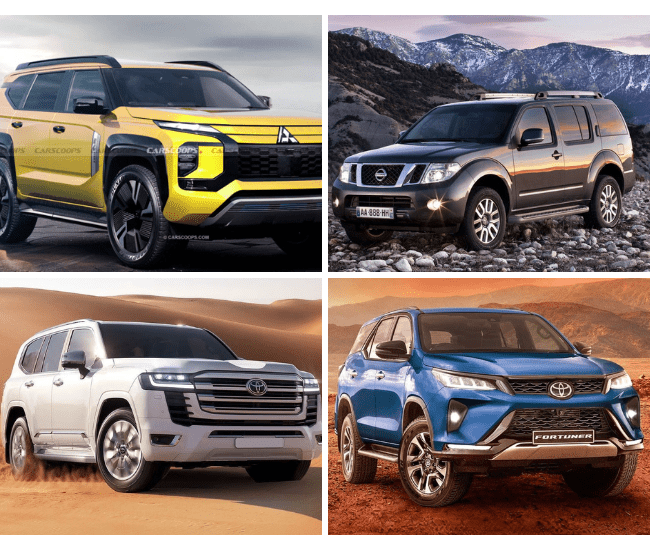
Middle East War effects on Increase Fuel Prices in Oman
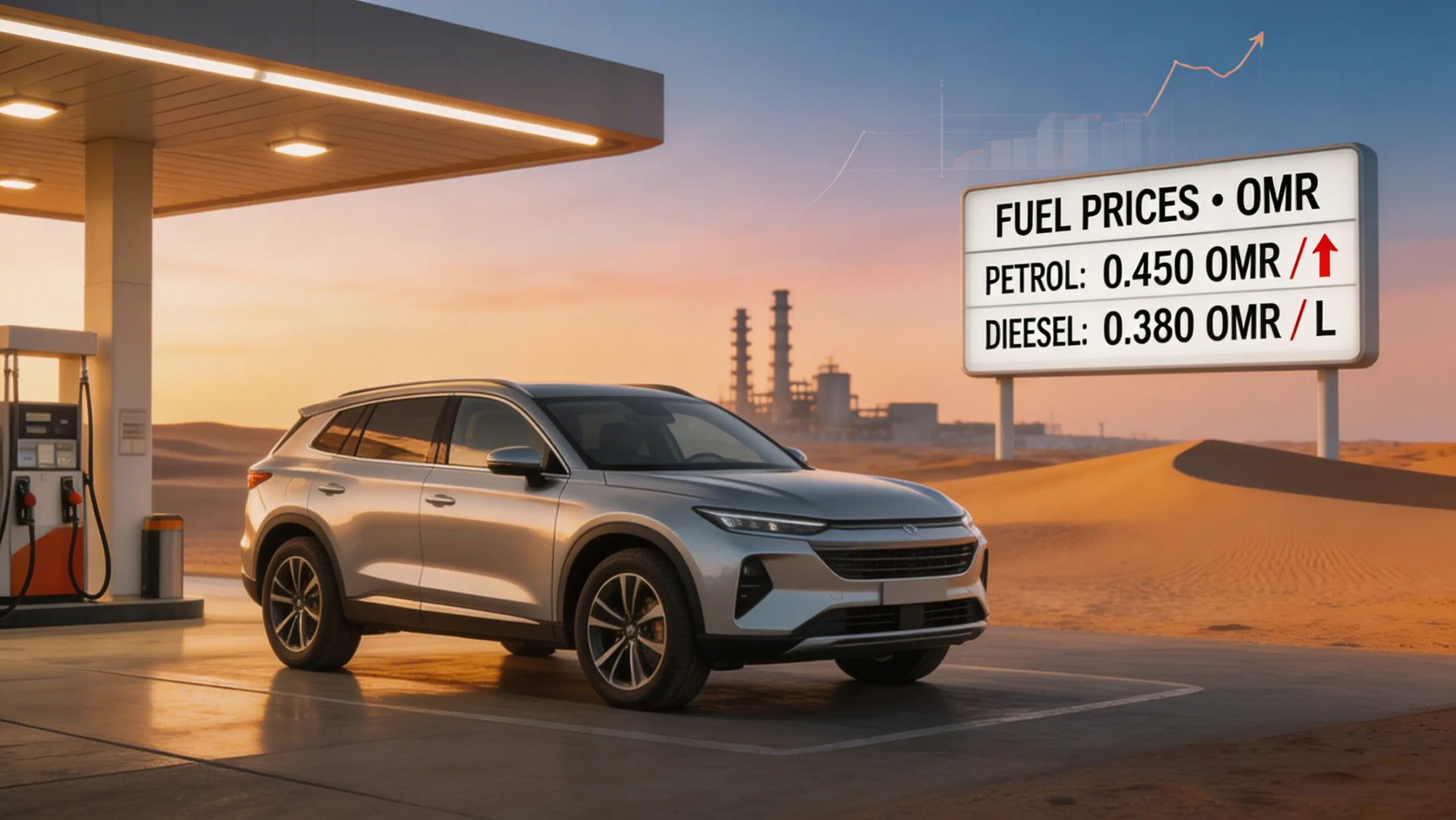
Will Rising Middle East Tensions Increase Fuel Prices in Oman? What SUV Buyers Should Know in 2026
In 2026, the global energy market remains highly sensitive to geopolitical developments in the Middle East. Escalating conflict involving Iran and regional powers has already pushed oil prices higher, and analysts warn that fuel costs in countries like Oman could increase further if tensions persist or the conflict spreads. Understanding the link between geopolitics and consumer fuel prices is vital for drivers — especially those considering SUV purchases in Oman, where fuel economy directly impacts ownership costs and vehicle choice decisions.
Current Middle East Tensions and Oil Price Movements
Recent events, including military strikes and retaliatory actions between the United States, Israel, and Iran, have disrupted transportation through critical energy chokepoints such as the Strait of Hormuz — a narrow passage through which nearly 20% of the world’s crude oil moves daily.Analysts report that oil prices surged roughly 10–13% in initial trading after these developments, lifting Brent crude toward $80 per barrel.
The crisis around the Strait of Hormuz is significant because the high volume of exports moving through this corridor means any sustained disruption could drastically reduce effective oil supply, potentially pushing prices higher into the $90–$100+ per barrel range if maritime traffic remains constrained. This volatility is reflected in global markets and contributes to higher fuel costs that consumers and businesses ultimately absorb.
How Fuel Prices Are Set in Oman
Oman’s government sets domestic fuel prices using a system linked to global crude benchmarks, refinery costs, and logistics. Fluctuations in Brent and WTI crude directly influence retail petrol and diesel prices in Oman, even though domestic subsidies and tax policies can moderate short-term changes. For example, neighboring UAE adjusted petrol and diesel prices in March 2026 partly due to geopolitical risks impacting global crude markets.
As a result, when geopolitical risk premiums rise — meaning traders factor in a higher likelihood of supply disruption — Omani drivers may see more frequent fuel price adjustments at the pump.
Projected Fuel Price Increase After Iran Conflict
Analysts caution that in the event of a prolonged or intensified conflict involving Iran and its allies — especially if the Strait of Hormuz is closed or major export infrastructure is damaged — global oil prices could surge significantly. Some forecasts suggest Brent crude could reach $100–$120 per barrel or higher under sustained disruption.
For Oman, such an increase could translate into a fuel price jump of 15%–30% above current retail rates, depending on the severity and duration of the conflict. While precise fuel price levels are difficult to predict, the widely discussed worst-case scenarios reflect how tightly linked Middle East political tensions are to energy costs.
Why Higher Fuel Prices Matter to SUV Buyers in Oman
SUVs are hugely popular among Oman drivers for their comfort and capability — particularly for desert travel and family use. However, larger engines and heavier vehicles tend to consume more fuel than smaller cars, making fuel costs a central part of the total cost of ownership for these buyers. With projected volatility in fuel pricing, selecting the right SUV becomes a matter of balancing capability with long-term affordability.
Drivers considering an SUV in 2026 should weigh fuel economy alongside features, reliability, and resale value. Platforms like Used Cars Marketplace in Oman provide a space to compare models and price trends before finalizing a purchase.
Key Fuel Price Trends That SUV Buyers Should Track
- Benchmark crude prices: Brent crude levels directly impact local pump prices.
- Strait of Hormuz dynamics: Ongoing disruption can cause sudden price spikes.
- Supply chain insurance costs: Higher war-risk insurance increases transportation costs and fuel import prices.
- OPEC+ production decisions: Production changes can buffer or amplify price effects.
For current fuel price updates and projections in Oman, observing announcements from the Ministry of Energy and global price trackers can help consumers anticipate shifts in fuel costs throughout the year.
How Fuel Price Volatility Affects Used SUV Market in Oman
In response to rising fuel costs, many buyers are adjusting their preferences toward SUVs with better fuel efficiency, hybrid variants, or even downsized models that deliver respectable power with lower running expenses. According to Oman 2026 used car trends, this effect is visible in increased search activity and sales for models that offer better mileage without compromising space or comfort.
Moreover, buyers are using resources like the Oman City Car Listings to compare fuel costs and resale values across different regions to find the most cost-effective choices for their needs.
Economic Impact Beyond Fuel – Insurance, Loans & Logistics
Fuel price increases rarely occur in isolation. Higher fuel costs often lead to broader inflationary pressures, raising insurance premiums, transportation charges, and even vehicle loan interest rates as lenders adjust risk profiles. Logistics services and delivery companies pass increased costs onto end consumers, subtly raising the cost of goods and services throughout the economy — a factor SUV buyers should consider when planning long-term ownership expenses.
While Omani banks and credit institutions have not publicly signaled immediate changes to auto loan policies, historical patterns show that persistent cost pressures can tighten credit conditions and slow overall vehicle sales momentum.
Government and Policy Responses to Energy Volatility
Omani authorities have tools to mitigate short-term fuel price shocks, including targeted subsidies, strategic reserves, and buffer pricing policies designed to smooth volatility for consumers. In past years, adjustments to domestic pricing structures have helped prevent extreme cost swings at the pump, even while global crude prices fluctuated. Understanding these mechanisms can help consumers better anticipate pricing changes and plan accordingly.
Governments in the GCC often coordinate with OPEC+ members and regional partners to align production strategies aimed at stabilizing markets during times of geopolitical stress. However, any sustained conflict that significantly disrupts supply chains still poses a risk to national pricing strategies.
Tips for SUV Buyers During Fuel Price Uncertainty
SUV Buyer Fuel & Market Tips (2026)
- Compare fuel consumption: Research official mileage figures and real-world usage before purchase.
- Consider hybrid or efficient-engine options: A small premium now can save thousands in fuel costs later.
- Use online resources: Compare prices and specs on Modern Car Listings.
- Plan for long-term ownership: Include fuel price projections in total cost of ownership calculations.
- Monitor global fuel markets: Stay informed of price trends affecting regional fuel rates.
SUV buyers who incorporate fuel trends into purchase decisions position themselves better for long-term satisfaction, fewer running costs, and greater resale value down the road.
Final Thoughts
The relationship between rising Middle East tensions and local fuel pricing in Oman remains complex and dynamic. While short-term fluctuations are common during periods of geopolitical stress, the potential for longer-term inflationary pressures on fuel — especially if shipping routes like the Strait of Hormuz are threatened — should factor into any SUV buyer’s planning. By understanding these connections and planning ahead, buyers can make informed decisions that account for both performance and cost quality in 2026 and beyond.
Staying updated on both global geopolitical developments and local fuel price adjustments will be critical for drivers navigating a shifting economic landscape and optimizing their vehicle investments in Oman’s competitive automotive market.
Related Post

Best Used SUVs for Oman Summer Heat 2026
Best Used SUVs for Oman Summer Heat (2026 Guide) Oman’s extreme summer temperatures demand vehicles [...]