
How Middle East Political Tensions Affect Fuel Prices and Car Market in Oman
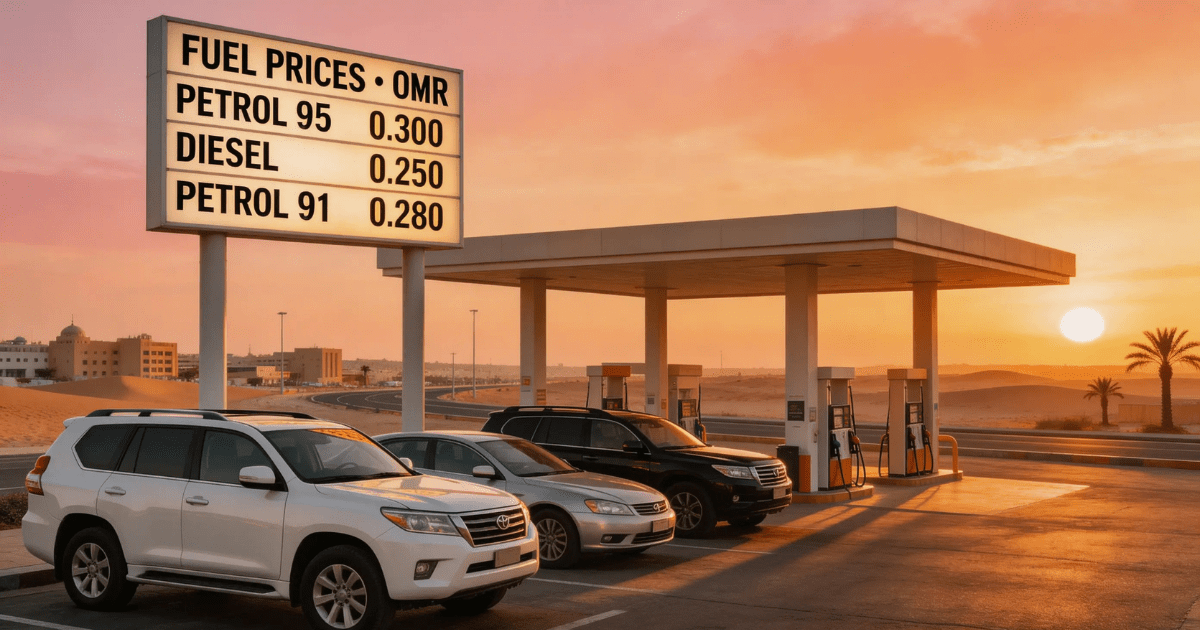
How Middle East Political Tensions Affect Fuel Prices and the Car Market in Oman (2026 Analysis)
In 2026, the automotive and energy markets in the Middle East — including Oman — continue to feel the impact of evolving geopolitical tensions. From regional diplomatic shifts to global supply chain concerns, political developments directly influence fuel prices and subsequently reshape consumer behavior in the vehicle market. This in-depth analysis explores how these forces intersect, what that means for drivers, and why understanding Middle East political tensions fuel price effects is essential for anyone navigating the Omani car market today.
Overview: Political Tensions and Fuel Price Fluctuations
Fuel markets are inherently sensitive to geopolitical dynamics, especially in the oil-rich Middle East. Political tensions — whether between nation-states, within oil-producing regions, or among global powers — can affect oil production levels, investor confidence, and export routes. Even minor shifts in regional stability can spark speculative trading or precautionary production cuts, pushing fuel prices up or down within weeks.
In Oman, where fuel prices directly affect consumer spending and transportation costs, these fluctuations have a cascading effect on the broader car market. Changes in fuel costs ripple through towing companies, logistics providers, daily commuters, and public transport networks, ultimately influencing buyer preferences for certain vehicle types and affecting used car trends across the country.
Fuel Price Trends in Oman (2026)
In early 2026, Oman recorded volatile shifts in gasoline and diesel prices, largely tied to uncertainties in oil export corridors and OPEC+ policy changes. While Oman is not a member of OPEC, its fuel pricing closely follows global oil benchmarks because the Sultanate imports refined petroleum products and participates in regional supply agreements.
Consumers in Oman may not directly monitor Brent or WTI crude benchmarks, but they certainly feel the impact at the pump when prices edge upward. For many drivers, especially those in remote regions who rely on personal vehicles for daily commuting, this affects budget planning and vehicle usage habits.
How Fuel Prices Influence Used Car Demand
As fuel becomes more expensive or unpredictable, buyer preferences shift strongly toward fuel-efficient vehicles. In Oman’s used car market — which you can explore on Used Cars in Oman — this has translated into increased demand for compact sedans, hybrids, and diesel vehicles with better mileage. According to 2026 market data, trends such as Oman 2026 used car trends show SUVs with higher fuel economy climbing in popularity, while thirsty V8s or large pickups see slower sales velocity.
Buyers increasingly compare total cost of ownership — not just sticker price — before purchasing. This means anticipating future fuel expenses and choosing vehicles that offer better long-term value.
Impact on Top Selling Models in Oman
In the context of regional tensions, models that balance power and fuel efficiency are outperforming larger vehicles. For example:
- Toyota Corolla — continues to be one of the best value choices for fuel economy and daily commuting.
- Honda Civic — maintains popularity among buyers focused on long-term cost savings.
- Used SUV Cars with efficient engines — remain competitive as more drivers opt for crossover versatility without heavy fuel consumption.
These shifts reflect a more discerning buyer base and underscore how macroeconomic conditions influence consumer choice patterns — a key insight in any market report Oman on automotive demand behavior.
The Logistics Sector and Fuel Costs
Fuel price volatility doesn’t just affect personal car users; it significantly impacts Omani logistics and delivery sectors. Rising fuel costs increase operational expenses for trucking companies, delivery services, and freight operators. These increased costs often trickle down to consumers in the form of higher prices for goods and transportation services.
As a result, some companies may adjust their fleet compositions, opting for diesel-efficient trucks or leasing arrangements to mitigate fuel exposure. This shift can temporarily reduce demand for larger cargo vehicles in the private used market, while increasing interest in fuel-efficient commercial vehicles.
Economic Sentiment and Car Financing
Political uncertainty often correlates with broader economic skepticism. In Oman, when fuel prices rise unexpectedly due to regional instability, financing terms for auto loans may tighten as lenders mitigate risk. This can make buyers more cautious, slowing down the purchase cycle for new and used vehicles alike.
Many Omani buyers may delay upgrading to newer vehicles, choosing instead to continue using their current cars longer. This trend boosts the attractiveness of well-maintained older models and increases their resale value.
Government Policy Responses
Governments in the region, including Oman, often respond to fuel urgency with targeted policies, such as:
- Fuel subsidies to protect vulnerable populations
- Temporary tax adjustments on fuel products
- Incentives for eco-friendly or hybrid cars
- Public transportation support schemes
Omani policymakers understand that stable fuel prices lead to more predictable transportation costs and economic confidence. Any policy shift aimed at reducing fuel volatility indirectly affects used car buyer behavior and fuel-efficient vehicle demand.
Buyer Tips in a Volatile Market
Top Tips for Used Car Buyers in 2026
- Consider fuel efficiency more important than ever when choosing a vehicle.
- Analyze total cost of ownership, including projected fuel expenses.
- Compare listings across multiple sources before deciding (e.g., Cars by City).
- Inspect vehicle maintenance records closely.
- Test drive under conditions similar to your daily use.
- Be aware of upcoming fuel pricing announcements, as they can drastically shift valuation in short time.
Internal Link Highlights
For broader context on vehicle availability and pricing trends, you may find these OmanWheels resources helpful:
- Used Cars Marketplace – Compare prices across hundreds of listings.
- Dealer Listings – Find verified showrooms offering used cars.
- Used Cars by City – Regionally filter listings by area.
Buyer Confidence & Market Predictions
Despite geopolitical pressures, Oman’s automotive sector shows resilience. Savvy buyers tend to seek stable value vehicles with efficient engines rather than luxury or high-consumption options. This dynamic supports the continuing dominance of compact sedans, crossovers, and hybrid models on the used car market.
Forecasts for 2026 suggest that as long as fuel prices remain tied to geopolitical narratives, used car pricing will stay sensitive to global oil market signals. Observers expect a continued trend toward fuel-efficient models, increased hybrid adoption, and more cautious financing conditions for high-fuel-consumption vehicles.
Conclusion
Middle East political tensions remain one of the most influential drivers of fuel price volatility, and Oman is no exception. Fuel costs directly shape consumer behavior in the automotive market, influencing everything from buyer preferences to pricing dynamics and financing decisions. By understanding these trends — including Oman 2026 used car trends and how they relate to regional events — buyers can navigate the market with greater confidence and make decisions that align with their financial and transportation needs.
Staying informed through real data, comparing multiple listings, and prioritizing fuel-efficient vehicles are critical strategies for success in this unpredictable environment.
Related Post
Why Japanese Cars Dominate Oman in 2026
Dominance of Japanese Brands in Oman: Why Toyota Still Leads the Automotive Market in 2026 [...]