
Gulf Shipping Disruptions from Iran Conflict Could Impact Used Car Imports at Salalah Port
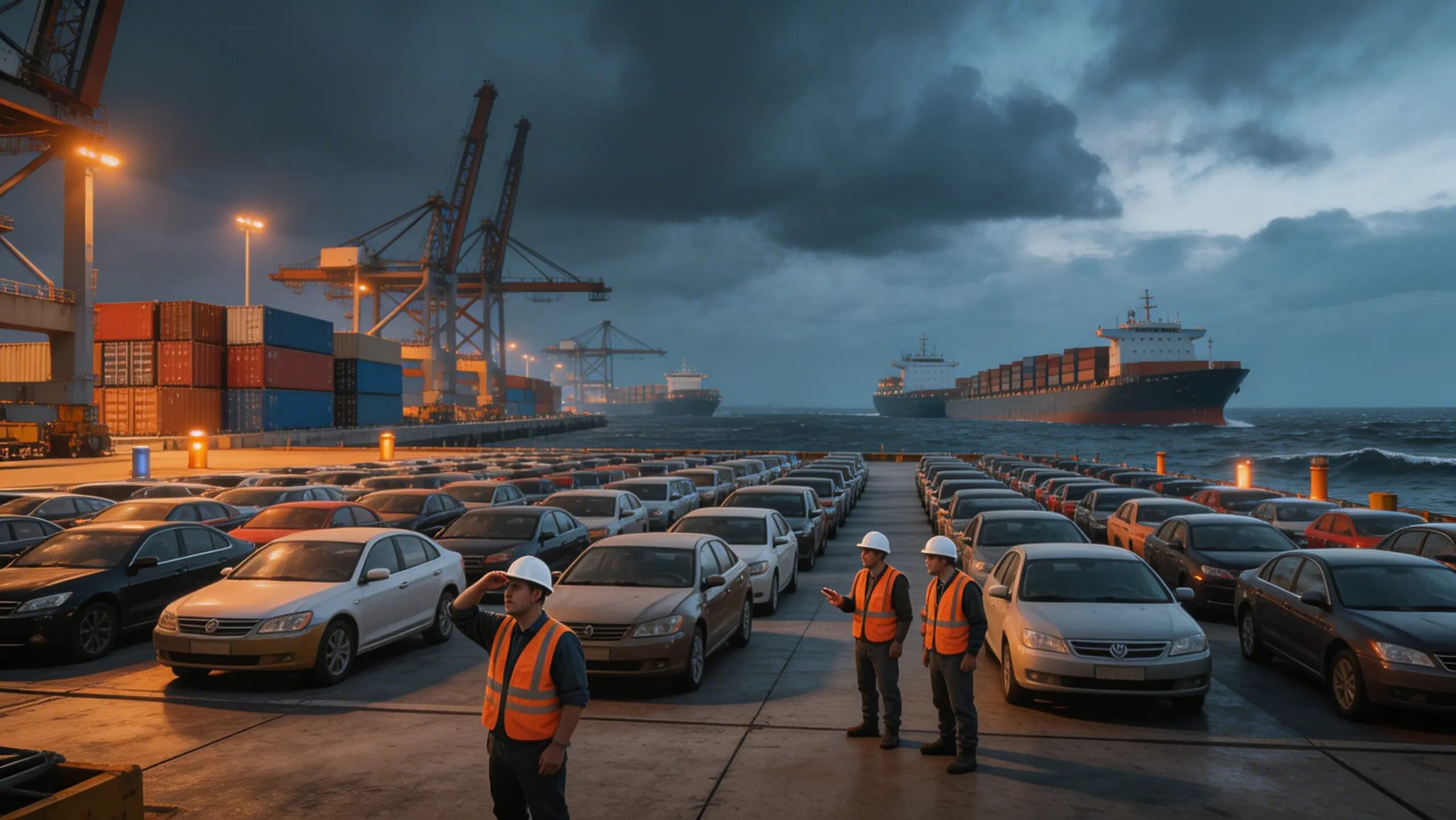
How Gulf Shipping Disruptions from Iran Conflict Could Impact Used Car Imports at Salalah Port (2026 Market Analysis)
The global shipping industry is facing significant uncertainty as tensions involving Iran escalate across key maritime routes in the Gulf region. For the Sultanate of Oman, these disruptions could have direct implications for the automotive sector—particularly the used car import market through Salalah Port.
Many vehicles sold in Oman’s second-hand market arrive via maritime freight from Japan, South Korea, Europe, and the United States. Any disruption in shipping lanes near the Strait of Hormuz or the Arabian Sea can affect vehicle import timelines, freight costs, insurance premiums, and ultimately used car prices in Oman.
This OmanWheels market report analyzes how geopolitical tensions may influence used vehicle imports, shipping logistics, and the overall automotive market in Oman during 2026.

The Strait of Hormuz is one of the world’s most critical maritime shipping corridors connecting Gulf oil and trade routes.
Why the Strait of Hormuz Matters for Global Automotive Shipping
The Strait of Hormuz shipping corridor connects the Persian Gulf with the Gulf of Oman and the Arabian Sea. Nearly 20% of the world’s oil and a significant share of regional cargo shipments pass through this narrow waterway daily.
While Oman’s southern trade gateway—Salalah Port—sits outside the Strait, shipping disruptions in the wider Gulf region still affect maritime insurance costs, vessel routing decisions, and freight schedules.
For automotive trade, this means vehicle carriers transporting used cars to Oman may face longer routes, higher war-risk insurance premiums, and delays at regional ports.
Key automotive imports affected
- Japanese used cars imported to Oman
- Korean SUVs and sedans shipped to Gulf markets
- European luxury vehicle imports
- Re-export vehicles from UAE trading hubs
These supply chains are highly dependent on reliable maritime logistics, which makes them sensitive to geopolitical instability.
Role of Salalah Port in Oman’s Used Car Import Market
Located on the Arabian Sea trade route, Salalah Port has become a strategic logistics hub connecting Asia, Europe, and the Middle East. Many importers prefer this port due to its ability to handle large vehicle carriers and container shipments efficiently.
The port supports a significant share of Oman’s used vehicle import supply chain, particularly for vehicles arriving from Japan and South Korea.
Typical vehicle import flow
| Origin Country | Vehicle Type | Primary Route | Destination |
|---|---|---|---|
| Japan | Hybrid cars & compact SUVs | Indian Ocean shipping lanes | Salalah Port |
| South Korea | Sedans & crossovers | Asia-Gulf shipping routes | Salalah Port |
| UAE Re-exports | Luxury SUVs | Regional Gulf transport | Muscat / Sohar |
If regional tensions escalate, these supply routes may experience disruptions that could directly affect used car availability in Oman’s dealerships and online marketplaces.
How Iran-Related Shipping Risks Are Increasing Freight Costs
One of the most immediate effects of conflict risks is the increase in maritime insurance premiums. Shipping companies often purchase war-risk insurance coverage when operating in regions considered high risk.
During geopolitical tensions, insurers raise premiums significantly. In some cases, insurance coverage may even be temporarily suspended for certain shipping routes.
Potential cost increases
| Cost Factor | Normal Rate | Conflict Scenario |
|---|---|---|
| Vehicle shipping freight | $800 – $1,200 per vehicle | $1,200 – $1,800 per vehicle |
| War-risk insurance | Minimal | Up to 2–3% cargo value |
| Transit time | 18–25 days | 25–35 days |
These increases could ultimately lead to higher used car prices in Oman during late 2026, particularly for imported Japanese vehicles.
Which Car Segments Could Be Most Affected?
Certain vehicle categories dominate the import market in Oman. Any shipping delays could reduce inventory availability in these segments.
Most imported vehicle categories
SUVs – 45%
Sedans – 30%
Pickup Trucks – 15%
Compact Cars – 10%
The strong demand for used SUVs in Oman means that supply disruptions could quickly affect dealership inventories and online car listings.
You can explore current vehicle listings here:
Browse Used Cars for Sale in Oman
Impact on Used Car Prices in Oman
When supply chains slow down, vehicle prices typically rise due to reduced availability and increased import costs.
Experts predict that if Gulf shipping tensions continue, the used car market in Oman may see price increases between 5% and 12% for certain popular models.
Example price changes
| Vehicle Model | Current Avg Price | Possible 2026 Price |
|---|---|---|
| Toyota Land Cruiser | 18,000 OMR | 20,000 OMR |
| Toyota Prado | 14,500 OMR | 16,000 OMR |
| Nissan Patrol | 16,000 OMR | 17,500 OMR |
Buyers interested in these vehicles can also explore:
Car Dealers & Showrooms in Oman
Dealer Perspective: How Importers Are Preparing
Several automotive importers in Oman are already adjusting their strategies in response to shipping uncertainty.
Common approaches include:
- Increasing vehicle inventory levels
- Booking shipping slots earlier
- Diversifying import routes
- Buying vehicles from UAE regional markets
These strategies aim to stabilize supply for buyers searching for affordable used cars in Oman despite global shipping disruptions.
Buyer Tips: How to Navigate the Market in 2026
✔ Buy before peak demand: Prices often increase when supply shortages occur.
✔ Consider locally available inventory: Vehicles already in Oman may avoid import-related price increases.
✔ Compare dealership listings: Check multiple sellers before making a purchase.
✔ Monitor fuel prices: Rising fuel costs often influence SUV demand and resale values.
✔ Use trusted platforms: Explore verified listings through trusted automotive marketplaces.
Future Outlook for Oman’s Automotive Import Market
Despite current geopolitical uncertainty, Oman’s strategic location continues to offer advantages in global trade. Ports such as Salalah remain key logistics hubs connecting international shipping routes.
If tensions ease, shipping routes may normalize quickly and freight costs could stabilize. However, prolonged instability in the Gulf could accelerate changes in automotive shipping routes and regional vehicle trade patterns.
For the used car market, this means buyers should stay informed about import trends, vehicle supply levels, and global shipping developments.
To stay updated with the latest market insights, visit:
Conclusion
The evolving situation in the Gulf highlights how interconnected global trade and local automotive markets have become. Shipping disruptions near Iran and the Strait of Hormuz could influence freight costs, delivery timelines, and the availability of imported vehicles in Oman.
While Salalah Port remains a resilient logistics hub, ongoing geopolitical tensions may still ripple through the supply chain, potentially affecting used car prices and dealership inventories across the Sultanate.
For buyers and dealers alike, staying informed about global shipping conditions, regional security developments, and vehicle import trends will be essential in navigating Oman’s automotive market throughout 2026.
Related Post

Used Toyota Cars Price in Oman
Used Toyota Cars Price in Oman 2026 | Land Cruiser & Prado Market Guide | [...]
Why Japanese Cars Dominate Oman in 2026
Dominance of Japanese Brands in Oman: Why Toyota Still Leads the Automotive Market in 2026 [...]