
Used Commercial Vehicles on the Rise in Oman 2026
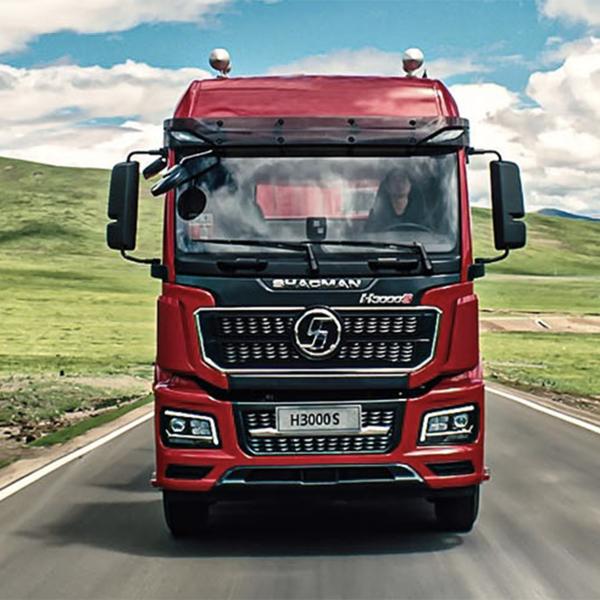
Commercial Vehicle Market Overview in Oman
According to the latest data from the National Centre for Statistics & Information (NCSI), commercial vehicles accounted for approximately 14.7% of all registered vehicles in Oman by June 2026, representing around 264,913 units. Further research from industry sources, such as Statista, indicates that light commercial vehicles (LCVs) in Oman are projected to reach sales of around 6,470 units in 2026, reflecting an approximate 8.0% growth year-on-year. Why is demand rising for used commercial vehicles? Fleet replacement cycles: Rental agencies, logistics providers, and service companies typically renew vehicles every 2–3 years to maintain operational efficiency and reduce rising maintenance expenses.Rising import costs: As prices for new commercial vehicles climb, used units are becoming a more cost-effective option for businesses entering or expanding their fleets.
Expansion of e-commerce & urban logistics: Growth in online retail has driven stronger demand for vans and light trucks, particularly for last-mile delivery operations.
Infrastructure development: Ongoing investments in logistics hubs and industrial zones across Oman are fueling the need for commercial transport vehicles.
Used Commercial Vehicle Segment Overview – Trucks & Vans
When assessing the used commercial vehicle market, it is useful to separate it into two primary segments: vans/light trucks and heavy trucks/buses. Current trends indicate that Oman’s market demand is concentrated more on light commercial vehicles (LCVs) than on heavy-duty transport vehicles.
| Vehicle Type | Estimated 2026 Volume | Annual Growth | Primary Use |
|---|---|---|---|
| Used light trucks/vans (under 3.5 tonnes) | ≈ 4,800 units | ~9 % | Rental fleets, logistics, SMEs |
| Used medium/heavy commercial vehicles (over 3.5 tonnes) | ≈ 1,200 units | ~4 % | Construction, large-scale logistics |
Import dynamics: What’s changing?
Dealers report a higher share of imported used commercial vehicles arriving in Oman from neighboring GCC countries, especially for rental-fleet replacements. These imports are often 1-2 year older, with full service history and are tuned for re-sale to local fleets and SMEs. Because duty-free allowances and registration favours relatively recent commercial vehicles, the used import route is cost-effective for buyers. This dynamic is shifting bidding and pricing strategies among dealers. Top Selling Models & Brands in Oman 2026. Implications for Dealers & Fleet Buyers For dealerships specializing in commercial vehicles, the shift toward used LCVs raises both opportunities and operational demands.| Age of Vehicle | Typical Sale Price (OMR) | Resale Value (%) |
|---|---|---|
| 2 years old | OMR 11,000 | 75% |
| 3 years old | OMR 9,000 | 65% |
| 4-5 years old | OMR 7,500 | 55% |
Key Buyer Behavior Insights
Businesses targeting commercial vehicle purchases in 2026 are increasingly prioritizing: Low down-time and high availability of spare parts Fuel efficiency, especially for delivery fleets operating in urban Muscat Brand-agnostic procurement: many buyers now consider Chinese or less-known brands if total cost of ownership is lower Certified history and buy-back or trade-in support offered by dealersLogistics & Rental Fleet Impact on Used Commercial Vehicle Supply
The growth of Oman’s logistics and rental sectors is a key driver behind the rising supply of used commercial vehicles. Rental companies refresh their van/truck fleets frequently, and these replaced vehicles gradually feed into the used-commercial market. With Oman’s strategic location and industrial expansions around Duqm, Sohar and Salalah, many businesses require flexible commercial vehicles. The estimated 13.96% growth in commercial registrations in 2024 supports this trend.Regional Demand Areas
Muscat & Northern Governorates: Strong need for light delivery vans and mini-trucks to handle daily urban logistics and last-mile distribution.
Industrial Hubs (Sohar, Duqm): Demand centers on heavy-duty pickups and light trucks supporting construction, oil & gas, and industrial operations.
Tourism Regions (Salalah): Seasonal demand for rental vans and small trucks used for transporting goods, equipment, and tourism-related supplies.
Future Outlook and Strategic Considerations
Looking ahead, the used commercial vehicle segment in Oman is projected to continue growing as fleets seek cost-efficiency and affording replacements. With rising fuel and maintenance costs, the value proposition of used trucks/vans becomes stronger.Used Commercial Vehicles on the Rise in Oman 2026: Fleets Shift to Light Trucks and Vans
OmanWheels Market Insight – 2026 Oman’s commercial vehicle sector is experiencing a dynamic transformation. While private-car sales remain strong, 2026 highlights a new surge in used light commercial vehicles (LCVs) — primarily trucks and vans. This trend is powered by logistics growth, cost pressures, and fleet modernization.Light Commercial Vehicle Market Growth (2015–2026)
Oman’s light commercial vehicle market has steadily expanded over the past decade. The SVG chart below illustrates estimated LCV registration growth from 2015 to 2026, based on industry and Statista data. 2015 2016 2017 2018 2019 2020 2021 2022 2023 2026 6,470 Units Year Estimated LCV Registrations Figure 1: Estimated growth of light commercial vehicle registrations in Oman, 2015–2026 (illustrative).Drivers Behind Rising Demand
-
Fleet modernization: Businesses are replacing aging vehicles to improve reliability and reduce maintenance expenses.
-
Growth in logistics & e-commerce: Expanding last-mile delivery services are increasing the need for compact, fuel-efficient vans.
-
Cost efficiency: Imported used vehicles provide a more affordable alternative to purchasing brand-new commercial units.
Impact on Dealers and Fleet Operators
Dealers in Muscat, Sohar and Salalah are diversifying inventory to meet business demand for durable, low-mileage vans and pickup trucks. Fleet operators benefit from newer imported stock while used-vehicle resellers find stronger margins in the commercial segment.| Year | Used LCV Imports | Average Price (OMR) | YoY Growth |
|---|---|---|---|
| 2021 | 2,900 units | 7,800 | +4% |
| 2022 | 3,600 units | 8,200 | +7% |
| 2023 | 4,200 units | 8,750 | +10% |
| 2025 (est.) | 5,000 units | 9,100 | +8% |
Future Outlook
With ongoing infrastructure projects, regional logistics hubs and fleet expansions, Oman’s used-commercial-vehicle sector is expected to maintain momentum. Dealers offering certified used vans, flexible financing and post-sale maintenance plans will capture the strongest growth in 2026–2027.Market Outlook
The light commercial vehicle (LCV) segment in Oman is projected to expand at a compound annual growth rate (CAGR) of about 1.86% through 2029, based on Statista data. Meanwhile, the supply of used vehicles is expected to rise due to rental fleet renewals and cross-GCC imports, increasing dealer competition and putting downward pressure on prices.
Guidance for Buyers & Dealers
-
Choose newer used models (2–3 years old) to retain stronger resale value and lower maintenance risks.
-
Check after-sales support and spare parts availability, especially for less common imported brands.
-
For dealers: Strengthen digital vehicle listings and offer fleet maintenance packages — these services attract business buyers and help close deals more quickly.
Conclusion
Oman’s 2026 automotive landscape showcases a clear shift — from private passenger cars to practical commercial solutions. Used light trucks and vans have become indispensable for fleets, logistics companies and entrepreneurs. For buyers, they provide reliability and value; for dealers, they offer a resilient, fast-moving segment that reflects the evolving backbone of Oman’s mobility economy.© 2026 OmanWheels – Market Insights & Automotive News
Sources: NCSI, Statista, Oman logistics reports (2025–2026)
Related Post
Used Cars Near Me in Oman
Used Cars Near Me in Oman – Best Prices & Deals 2026 Searching for the [...]