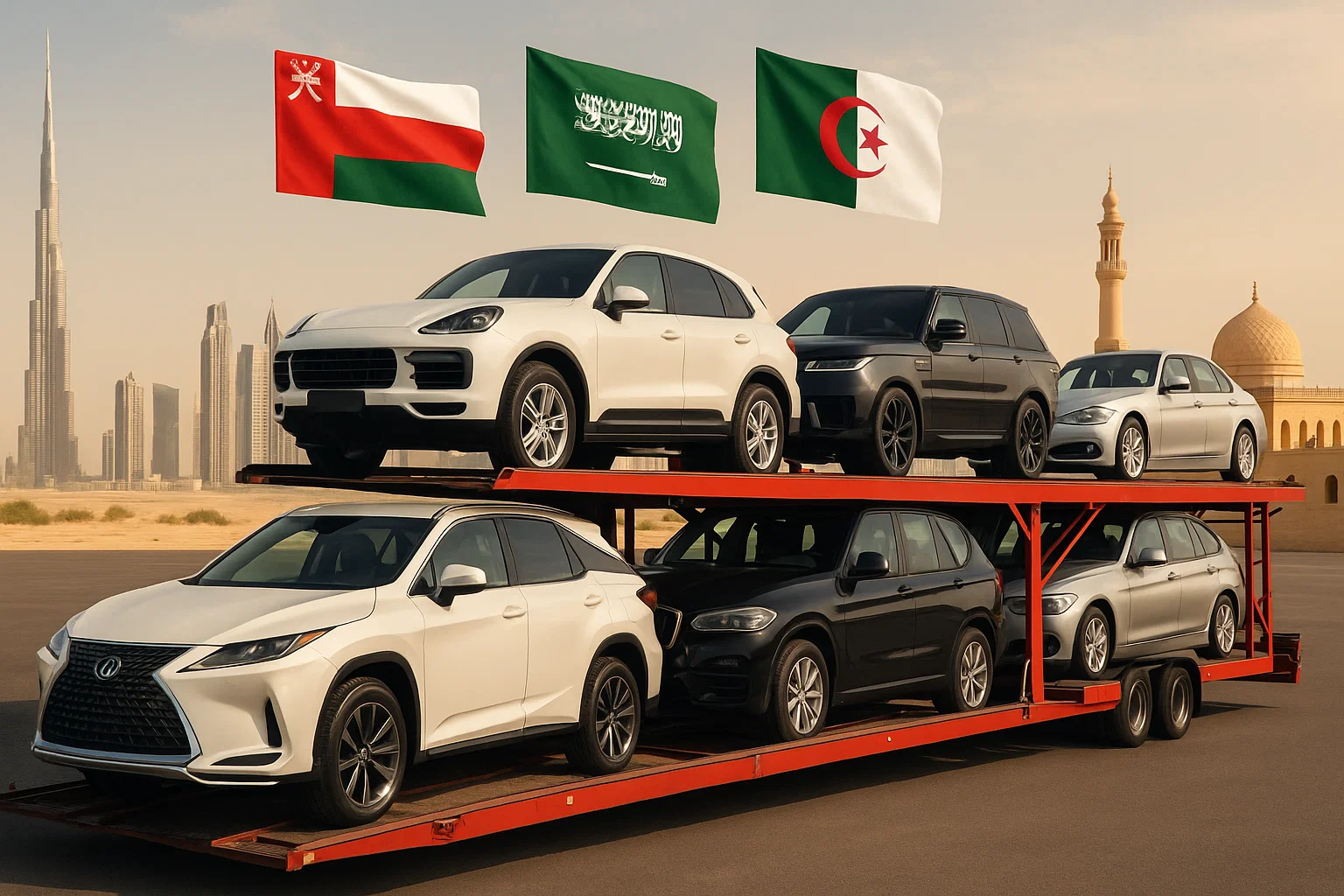
Oman and China Launch EV Manufacturing Venture: Impact on UAE & GCC Auto Market 2025 | Oman-China Electric Vehicle Partnership
Oman and China Launch EV Manufacturing Venture: What It Means for the UAE & GCC Auto Market
In a landmark announcement shaping the future of sustainable mobility in the Middle East, Oman and China have entered a strategic joint venture to establish electric vehicle (EV) manufacturing and charging infrastructure across the Sultanate. The 2025 agreement marks the first large-scale collaboration between the two nations in the field of automotive technology, Car Parts pricing in Oman. renewable energy integration, and electric mobility infrastructure — with wide-reaching implications for the UAE, Saudi Arabia, and the broader GCC auto market.
Background: Strategic Vision Behind the Oman-China EV Alliance
Oman’s partnership with China’s leading EV and battery manufacturer, BYD Automotive and CATL consortium, comes at a time when the Gulf region is accelerating its transition toward clean transportation. The collaboration is part of Oman Vision 2040, which aims to diversify the economy beyond oil while fostering advanced manufacturing and green technologies. Chinese Vehicle Brands in Oman.
For China, the joint venture offers a gateway into the GCC’s emerging electric mobility market — positioning Oman as a strategic production hub for right-hand drive EVs, regional exports, and battery assembly.
Project Highlights (as announced in 2025)
| Parameter | Details |
|---|---|
| Project Type | Electric Vehicle Manufacturing & Battery Assembly |
| Partners | Oman Investment Authority (OIA) and China’s BYD/CATL Group |
| Investment Value | Estimated USD 2.1 billion (Phase I) |
| Location | Duqm Industrial Zone, Special Economic Zone Authority (SEZAD) |
| Planned Production Capacity | 150,000 EV units annually by 2030 |
Why Oman? Strategic Advantages for EV Manufacturing
Oman’s choice as a manufacturing base is not coincidental. The country offers:
-
- Proximity to major GCC markets like the UAE and Saudi Arabia
-
- Access to renewable energy (solar and wind farms in Duqm and Dhofar)
-
- Favorable logistics via Duqm Port for exports to Africa and Asia
-
- Strong policy incentives through the Special Economic Zone Authority of Duqm (SEZAD)
The Oman-China venture is expected to reshape the automotive supply chain across the Gulf Cooperation Council (GCC). With Oman set to produce EV components, battery packs, and charging systems locally, UAE and Saudi car distributors will benefit from shorter supply times and lower logistics costs.
Key Areas of Impact Across GCC
| Impact Area | Expected Benefit | Regional Implication |
|---|---|---|
| Vehicle Pricing | Reduced import tariffs and logistics costs | Lower EV prices in UAE and Bahrain |
| Charging Network | Joint development of 5,000+ smart chargers | Infrastructure standardization across GCC |
| Supply Chain Localization | Battery pack assembly and recycling in Oman | Regional sustainability and job creation |
| Technology Transfer | EV R&D partnerships with universities | Knowledge sharing with UAE and Saudi tech hubs |
Figure 1: Estimated GCC Supply Chain Impact Distribution (2025)
UAE: 80% impact (import reduction, regional assembly integration)
Saudi Arabia: 70% impact (battery supply and joint R&D)
Oman: 55% (factory employment, exports, and parts supply)
Kuwait & Bahrain: 45% (charging infrastructure and dealership network)Source: GCC Automotive Market Outlook 2025, OmanWheels Research Desk
Boosting the Regional EV Ecosystem
The partnership isn’t limited to manufacturing vehicles. It also encompasses the development of an integrated EV ecosystem — from lithium-ion cell assembly to public charging stations. Oman’s Ministry of Energy and Minerals confirmed that over 3,000 public charging points will be deployed by 2026, linked to renewable power grids.
EV Charger Rollout Plan (Oman 2025–2027)
| Year | Target Chargers Installed | Power Type | Coverage Zone |
|---|---|---|---|
| 2025 | 800 | AC Fast (22kW) | Muscat & Sohar |
| 2026 | 1,200 | DC Rapid (150kW) | Duqm, Salalah, major highways |
| 2027 | 3,000+ | Ultra-fast (300kW+) | Nationwide urban & logistics hubs |
How the Venture Aligns with GCC Sustainability Goals
The Oman-China EV manufacturing initiative complements the wider GCC sustainability objectives under frameworks such as Saudi Vision 2030 and the UAE Net Zero 2050 strategy. The region’s governments are aligning their regulations and incentives to promote local EV assembly, charging interoperability, and carbon reduction in transport sectors.
-
- UAE targets 50% EV adoption in new car sales by 2030
-
- Saudi Arabia to localize 30% of EV production by 2030
-
- Oman aims for 25% of new vehicle registrations to be electric by 2035

Economic and Employment Benefits
The Oman-China automotive partnership is projected to create over 8,500 direct and indirect jobs across engineering, logistics, and renewable energy sectors. Local suppliers stand to gain through component contracts, training programs, and research partnerships with universities such as Sultan Qaboos University and GUtech Oman. Top Selling Models & Brands in Oman 2025.
Local Value Addition Forecast (2025–2030)
| Sector | Expected Local Contribution | Value (USD Million) |
|---|---|---|
| Manufacturing & Assembly | 40% | 820 |
| Battery Components | 25% | 520 |
| EV Charger Production | 20% | 420 |
| Research & Development | 15% | 315 |
Challenges and Risk Factors
Despite optimism, several challenges could impact project timelines:
-
- Supply chain dependency on Chinese lithium and semiconductor imports
-
- Fluctuating global EV demand and pricing pressures
-
- Need for regional standards for battery recycling and charger compatibility
-
- Skilled labor shortages in high-voltage EV maintenance
Mitigation Strategies Underway
Oman’s Ministry of Industry and Commerce is collaborating with Chinese partners to develop technical training centers and localized parts manufacturing. Additionally, the GCC Standardization Organization (GSO) is drafting unified EV safety and charging regulations to harmonize market operations across borders.
Future Outlook: Oman as a Green Automotive Gateway
By 2030, Oman is positioned to become the GCC’s leading hub for EV manufacturing, export, and energy-efficient logistics. The Oman-China venture represents more than a business partnership — it’s a symbol of how cross-border industrial cooperation can accelerate sustainability and regional self-reliance.

Conclusion: A New Chapter for the GCC Auto Industry
The Oman-China EV venture signals a defining shift in the Gulf’s industrial and energy strategy. It’s a practical example of how joint innovation in manufacturing and infrastructure can reduce carbon dependency, create jobs, and empower local economies. For the UAE and other GCC members, this partnership represents both a competitive challenge and an opportunity to accelerate sustainable transformation.
Related Post

What the New Insurance Regime Means for Drivers – Oman’s Motor-Insurance Market in 2025
What the New Insurance Regime Means for Drivers – Oman’s Motor-Insurance Market in 2025: Pricing, [...]