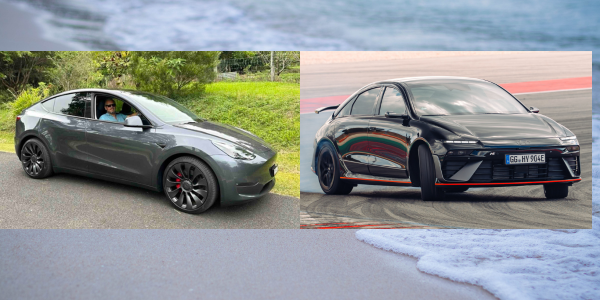
New Auto Brands Entering Oman 2025: Škoda, BYD, and Other New Entrants Transform the Market
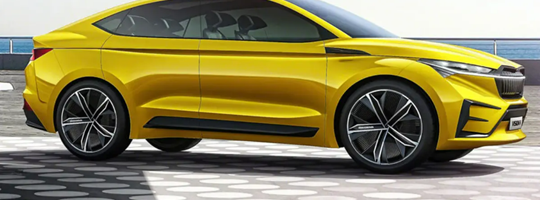
New Auto Brands Entering Oman (2025): Škoda, BYD, and Others Shake Up the Market
By OmanWheels Research Desk | Published: November 2025
Oman’s car market in 2025 is witnessing a new wave of entrants—European, Chinese, and hybrid brands reshaping how local buyers perceive value, technology, and performance. Among them, Škoda’s official entry has generated significant buzz, with its lineup tailored to Omani driving habits, fuel efficiency needs, and pricing realities. Impact on UAE & GCC Auto Market 2025
Škoda Officially Expands Into Oman
In early 2025, Škoda Auto, the Czech automaker under Volkswagen Group, confirmed its expansion into Oman through a partnership with a local distributor. The move marks a renewed focus on Central European engineering paired with value-driven pricing—a formula designed to challenge the dominance of Japanese and Korean brands in the Sultanate. Also read Tire Market Trends in Oman 2025.
Škoda’s initial portfolio for Oman includes the Kushaq (compact SUV), Octavia (mid-size sedan), and Kodiaq (family SUV). Each is positioned strategically between Toyota, Hyundai, and Nissan price tiers—targeting buyers seeking German quality at mid-market pricing.
Market Context: A Dynamic 2025 Automotive Landscape
According to the OmanWheels Auto Market Outlook 2025, the country’s passenger vehicle market is projected to grow by 12–14% year-on-year, supported by tourism recovery, expat return, and renewed infrastructure activity. New entrants see this as the perfect timing to establish brand equity.
| Brand | Origin | Entry Year | Segment Focus | Key Selling Proposition |
|---|---|---|---|---|
| Škoda | Czech Republic (Volkswagen Group) | 2025 | Compact & Mid-size | German engineering, mid-tier pricing |
| BYD | China | 2024 | Electric Vehicles | Long range, EV technology |
| Omoda (Chery) | China | 2025 | Compact Crossover | Futuristic design, smart infotainment |
| Jetour | China | 2024 | 7-Seater SUV | Luxury feel at economy pricing |
| VinFast | Vietnam | Expected 2026 | EV and Hybrid | Warranty-driven trust model |
How New Entrants Are Positioning Themselves
Oman’s auto market traditionally favored Toyota, Nissan, and Mitsubishi. However, as buyers become more tech-conscious and value-oriented, new entrants are leveraging three strategies:
1. Technology-First Marketing
Brands like BYD and Omoda emphasize in-car connectivity, digital dashboards, and ADAS (advanced driver-assist systems). Škoda follows suit with its “Simply Clever” tech suite—featuring wireless smartphone integration, 10-inch infotainment displays, and energy-saving AC systems designed for Gulf heat.
2. Strategic Pricing
Škoda’s models are priced to appeal to value-seeking professionals and family buyers:
- Škoda Kushaq: Starting at OMR 8,900 — positioned between Hyundai Creta and Nissan Kicks.
- Škoda Octavia: OMR 10,900–12,500 — competing directly with Toyota Corolla Altis and Honda Civic.
- Škoda Kodiaq: OMR 14,900 — entering SUV territory of Toyota Fortuner and Mazda CX-9.
By offering European build quality at sub-luxury pricing, Škoda aims to create a new value niche for Omani drivers who seek long-term reliability with design prestige.
3. Adaptation to Local Driving Needs
All new entrants emphasize features suited for Oman’s environment:
- Enhanced cooling systems and AC vent optimization for desert conditions.
- Reinforced underbody protection for rough terrain driving in Dhofar and Sharqiyah.
- Dust-resistant cabin filters and extended service intervals.
Figure 2: Brand Awareness & Buyer Interest (Survey 2025)
New Brand Awareness — Oman (2025)
Škoda’s Strategy: European Engineering Meets GCC Practicality
Škoda’s entry plan emphasizes three core elements—design, reliability, and service accessibility. The company has partnered with Wattayah Motors LLC for after-sales support and spare parts distribution.
Key Differentiators
- Warranty: 5 years / 150,000 km coverage.
- Maintenance: Competitive service package—up to 40% lower than luxury European rivals.
- Localized interiors: Arabic language infotainment support, upgraded AC vents, and reinforced suspension for heat expansion resistance.
Comparison: Škoda vs. Japanese & Korean Brands (2025)
| Feature | Škoda Octavia | Toyota Corolla | Hyundai Elantra |
|---|---|---|---|
| Starting Price (OMR) | 10,900 | 9,900 | 9,400 |
| Warranty | 5 yrs / 150k km | 3 yrs / 100k km | 3 yrs / 100k km |
| Infotainment Display | 10” touchscreen | 8” touchscreen | 10.25” display |
| Fuel Efficiency | 17.5 km/l | 17 km/l | 16.8 km/l |
| Service Cost Index | Low-Medium | Low | Low |
| Resale Value Projection | Strong (Volkswagen link) | Very High | High |
Consumer Trends Shaping Brand Success
According to OmanWheels Buyer Behavior Study 2025, brand loyalty remains high for Japanese automakers—but younger buyers increasingly prioritize digital features and design flair over traditional resale value. This shift allows Škoda and Omoda to attract urban professionals and first-time car owners. Imported Car age Rules in Oman.
Key Consumer Insights:
- 61% of new car buyers under 35 prefer digital dashboards and smart connectivity.
- 45% of surveyed respondents were open to trying a non-Japanese brand in 2025.
- 20% consider design and aesthetics more important than fuel economy.
Electric Mobility & Hybrid Expansion
Oman’s Vision 2040 and the Ministry of Energy and Minerals are encouraging EV adoption through reduced import duties and charging network expansion. This has accelerated the entry of EV-oriented brands like BYD, MG Electric, and soon VinFast. Škoda also plans to introduce its Enyaq iV electric SUV by 2026 if infrastructure readiness aligns.
Challenges Facing New Entrants
While excitement is high, new brands face several challenges:
- Resale Value Hesitation: Omani buyers still perceive new Chinese or European entrants as riskier for resale.
- Service Network Gaps: Nationwide coverage outside Muscat remains a hurdle.
- Brand Awareness: Competing with decades of Toyota loyalty requires consistent marketing investment.
Marketing & Localization Efforts
Škoda and other new brands are deploying creative campaigns to localize their appeal:
- Arabic-language digital ads emphasizing “European reliability meets Omani conditions.”
- Community test-drive events during Khareef Salalah and Muscat Auto Week.
- Partnerships with local influencers and automotive journalists to boost credibility.
Future Outlook: Competition & Consolidation
Experts predict that by 2026, Oman’s passenger car market will host over 20 active international brands. However, sustained success will depend on service excellence, price transparency, and alignment with Omani consumer values—reliability, comfort, and fair resale.
Forecast Highlights (2026–2028):
| Brand Type | Projected Market Share (2028) | Growth Outlook |
|---|---|---|
| Japanese (Toyota, Nissan, Mitsubishi) | 54% | Stable |
| Korean (Hyundai, Kia) | 18% | Moderate Growth |
| European (Škoda, Renault, Peugeot) | 12% | Rising |
| Chinese (BYD, Omoda, Jetour) | 10% | High Growth |
| Others (EV Startups, Imports) | 6% | Volatile |
Conclusion: What This Means for Omani Buyers
Oman’s car market in 2025 is no longer a two-player game. With Škoda, BYD, and other entrants, buyers gain access to a broader spectrum of design, safety, and efficiency options—often at lower cost per feature than legacy brands.
Škoda’s success will hinge on maintaining its reputation for solid engineering while delivering reliable after-sales service. If it manages to build trust in the Sultanate, the Czech brand could emerge as the “European Toyota” for Oman—a balance of durability, practicality, and smart design.
Source: OmanWheels Automotive Market Research, 2025. For research collaborations or media requests, contact: research@omanwheels.om
Related Post
Tourism Driven Rental Car Demand in Oman 2025: Impact on Used Car Supply & Quality
Tourism Driven Rental Car Demand in Oman 2025: Impact on Used Car Supply & Quality [...]
What the New Insurance Regime Means for Drivers – Oman’s Motor-Insurance Market in 2025
What the New Insurance Regime Means for Drivers – Oman’s Motor-Insurance Market in 2025: Pricing, [...]