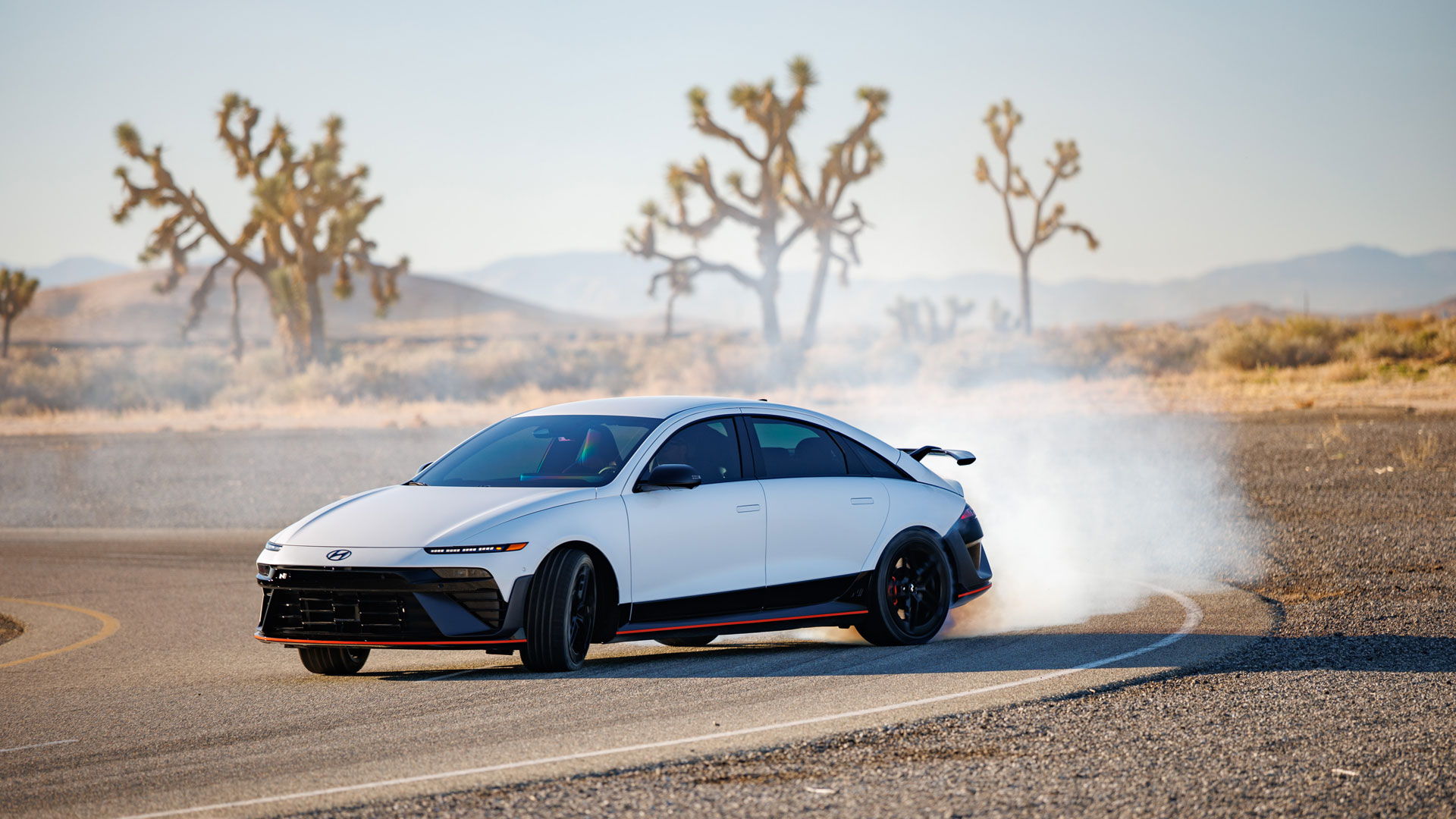
Future of Mobility in Oman 2025: Shared Mobility, Subscription Models & Ride-Sharing

Future of Mobility in Oman: Shared Mobility, Subscription Models & Ride-Sharing
By OmanWheels Research Desk – November 2025
Oman’s automotive sector is entering a new era. While traditional car ownership remains dominant, younger drivers and urban commuters are increasingly looking at shared mobility, car subscriptions, and ride-sharing as cost-effective and flexible alternatives. As Vision 2040 accelerates urban connectivity, the country’s mobility future may be more digital, dynamic, and shared than ever before. Impact of vision 2040 Oman.

Changing Attitudes Toward Vehicle Ownership
Historically, Oman has maintained a strong culture of vehicle ownership. Cars are seen not only as a necessity but also as a symbol of independence. However, post-pandemic economic realities, remote working habits, and the arrival of digital mobility platforms are changing that equation. Younger consumers, especially those in Muscat and Sohar, prioritize convenience and affordability over long-term car investments.
According to the OmanWheels Market Survey 2025, over 42% of respondents under 35 said they would consider a shared or subscription model if available locally. The interest is highest among expatriates and urban professionals.
Shared Mobility: A Growing Global Trend, Now Reaching Oman
Shared mobility — encompassing carpooling, car-sharing, and app-based ride services — has reshaped mobility worldwide. Platforms like Uber, Careem, and Bolt operate across the GCC, but Oman’s rollout has been slower due to licensing frameworks and operator limitations. Impact on UAE & GCC Auto Market 2025 .However, pilot programs and startup initiatives are emerging.
Key Shared Mobility Models
- Car-Sharing: Short-term, self-service rentals via mobile apps (hourly basis).
- Ride-Hailing: App-based on-demand transport (Careem, Otaxi, and local startups).
- Peer-to-Peer Car Sharing: Private car owners renting vehicles when not in use.
Oman’s urban centers (Muscat, Sohar, and Salalah) are seeing early experiments in fleet sharing, especially targeting business parks and tourists. Digital payments, insurance models, and real-time GPS tracking have made the concept viable.
Car Subscription Models: “Netflix for Cars” Comes to Oman
Globally, car subscription models allow users to drive a vehicle for a fixed monthly fee that covers insurance, maintenance, and registration — without ownership hassles. Companies like Careem’s “Plus Drive” or BMW Subscription Europe have inspired similar interest in GCC markets.
In Oman, a few dealership groups and mobility startups are testing pilot subscription programs for both EVs and compact SUVs. Subscriptions appeal especially to expatriates on short-term contracts and businesses seeking flexible fleet management. Electric & Hybrid cars in Oman 2025.
Example Subscription Tiers (Illustrative Data – 2025)
| Vehicle Tier | Monthly Cost (OMR) | Inclusions | Target User |
|---|---|---|---|
| Economy Hatchback | 180–200 | Insurance, maintenance, 1,500 km/month | Urban residents |
| Mid SUV / Crossover | 280–350 | Comprehensive plan, swap flexibility | Families, expats |
| Luxury / EV Tier | 450–700 | Premium service, 24/7 support | Executives, corporations |
Ride-Sharing & Corporate Mobility Platforms
Ride-sharing in Oman is currently concentrated around Otaxi and licensed private transport operators. However, new regulations under the Royal Oman Police (ROP) and Ministry of Transport are encouraging controlled expansion of licensed mobility providers. With the growth of tourism and increased last-mile demand, the business case for ride-sharing is strengthening. Read Tourism Driven Rental Car Demand in Oman 2025.
Projected Growth of Ride-Sharing Users in Oman
| Year | Active Ride-Share Users | Estimated Market Value (OMR Million) |
|---|---|---|
| 2023 | 80,000 | 7.2 |
| 2024 | 110,000 | 10.5 |
| 2025 (est.) | 150,000+ | 15.8 |
Market Feasibility & Challenges in Oman
While mobility innovation is inevitable, Oman’s market presents unique constraints:
1. Regulatory Barriers
Shared mobility platforms must comply with strict ROP and Ministry of Transport rules. Ensuring local ownership percentages, insurance coverage, and driver licensing can slow down scaling efforts.
2. Public Transport Alternatives
Although Mwasalat bus services have expanded, many suburban areas lack last-mile connectivity, which limits shared mobility use cases.
3. Cultural and Behavioral Shifts
Car ownership remains deeply ingrained, especially outside Muscat. Adoption of shared and subscription models will rely on trust, transparency, and service reliability.
4. Cost and Technology Barriers
Subscription and ride-sharing platforms require high upfront investment in app infrastructure, fleet management, and customer support.
Opportunities for Investors and Startups
Despite the challenges, Oman’s evolving demographics and digital transformation create major opportunities. With more than 70% smartphone penetration and strong e-commerce growth, digital mobility services can thrive — especially when bundled with EV adoption and green transport incentives.
Potential Mobility Segments for 2025–2030
- Corporate mobility solutions (fleet-as-a-service)
- Electric shared scooters and micro-mobility pilots
- Subscription models targeting expats and tourism sector
- Smart mobility integration with Vision 2040 smart city plans
Consumer Preferences: Ownership vs Mobility-as-a-Service
Survey data from OmanWheels Mobility Report 2025 highlights a gradual but significant shift:
- 55% of respondents still prefer owning their car.
- 30% are open to leasing or subscription options.
- 15% would actively consider shared or app-based mobility.
Figure 5: Ownership vs Shared Mobility Preferences in Oman (2025)
Future Outlook: What 2030 Could Look Like
By 2030, Oman’s mobility sector may resemble a hybrid ecosystem: traditional ownership remains for families and rural regions, while shared and subscription mobility dominates urban centers. If digital platforms, regulation, and consumer trust align, Oman could see 20–25% of new vehicle usage migrating to shared mobility models.
Partnerships between automakers, dealerships, and fintech platforms will likely determine how fast this transformation occurs.
Key Enablers of Growth
- Favorable ROP and transport licensing reform
- Expanded EV charging network
- Digital payment adoption
- Integration of AI-based fleet optimization
Conclusion
Oman stands on the cusp of a transformative era in transportation. Shared mobility, subscription cars, and ride-sharing services promise flexibility, sustainability, and affordability. However, realizing this vision requires strategic partnerships, regulatory support, and consumer education. The next decade will determine how seamlessly Oman transitions from traditional ownership to a modern mobility ecosystem aligned with Vision 2040 goals.
Source: OmanWheels Future Mobility Study 2025
Future of Mobility in Oman 2025: Shared Mobility, Subscription Models & Ride-Sharing
Future of Mobility in Oman: Shared Mobility, Subscription Models & Ride-Sharing
By OmanWheels Research Desk – November 2025
Oman’s automotive sector is entering a new era. While traditional car ownership remains dominant, younger drivers and urban commuters are increasingly looking at shared mobility, car subscriptions, and ride-sharing as cost-effective and flexible alternatives. As Vision 2040 accelerates urban connectivity, the country’s mobility future may be more digital, dynamic, and shared than ever before.

Changing Attitudes Toward Vehicle Ownership
Historically, Oman has maintained a strong culture of vehicle ownership. Cars are seen not only as a necessity but also as a symbol of independence. However, post-pandemic economic realities, remote working habits, and the arrival of digital mobility platforms are changing that equation. Younger consumers, especially those in Muscat and Sohar, prioritize convenience and affordability over long-term car investments.
According to the OmanWheels Market Survey 2025, over 42% of respondents under 35 said they would consider a shared or subscription model if available locally. The interest is highest among expatriates and urban professionals.
Shared Mobility: A Growing Global Trend, Now Reaching Oman
Shared mobility — encompassing carpooling, car-sharing, and app-based ride services — has reshaped mobility worldwide. Platforms like Uber, Careem, and Bolt operate across the GCC, but Oman’s rollout has been slower due to licensing frameworks and operator limitations. However, pilot programs and startup initiatives are emerging.
Key Shared Mobility Models
- Car-Sharing: Short-term, self-service rentals via mobile apps (hourly basis).
- Ride-Hailing: App-based on-demand transport (Careem, Otaxi, and local startups).
- Peer-to-Peer Car Sharing: Private car owners renting vehicles when not in use.
Oman’s urban centers (Muscat, Sohar, and Salalah) are seeing early experiments in fleet sharing, especially targeting business parks and tourists. Digital payments, insurance models, and real-time GPS tracking have made the concept viable.
Car Subscription Models: “Netflix for Cars” Comes to Oman
Globally, car subscription models allow users to drive a vehicle for a fixed monthly fee that covers insurance, maintenance, and registration — without ownership hassles. Companies like Careem’s “Plus Drive” or BMW Subscription Europe have inspired similar interest in GCC markets.
In Oman, a few dealership groups and mobility startups are testing pilot subscription programs for both EVs and compact SUVs. Subscriptions appeal especially to expatriates on short-term contracts and businesses seeking flexible fleet management.
Example Subscription Tiers (Illustrative Data – 2025)
| Vehicle Tier | Monthly Cost (OMR) | Inclusions | Target User |
|---|---|---|---|
| Economy Hatchback | 180–200 | Insurance, maintenance, 1,500 km/month | Urban residents |
| Mid SUV / Crossover | 280–350 | Comprehensive plan, swap flexibility | Families, expats |
| Luxury / EV Tier | 450–700 | Premium service, 24/7 support | Executives, corporations |

Ride-Sharing & Corporate Mobility Platforms
Ride-sharing in Oman is currently concentrated around Otaxi and licensed private transport operators. However, new regulations under the Royal Oman Police (ROP) and Ministry of Transport are encouraging controlled expansion of licensed mobility providers. With the growth of tourism and increased last-mile demand, the business case for ride-sharing is strengthening.
Projected Growth of Ride-Sharing Users in Oman
| Year | Active Ride-Share Users | Estimated Market Value (OMR Million) |
|---|---|---|
| 2023 | 80,000 | 7.2 |
| 2024 | 110,000 | 10.5 |
| 2025 (est.) | 150,000+ | 15.8 |
Figure 3: Forecasted Ride-Sharing Growth in Oman (2023–2025)
Market Feasibility & Challenges in Oman
While mobility innovation is inevitable, Oman’s market presents unique constraints:
1. Regulatory Barriers
Shared mobility platforms must comply with strict ROP and Ministry of Transport rules. Ensuring local ownership percentages, insurance coverage, and driver licensing can slow down scaling efforts.
2. Public Transport Alternatives
Although Mwasalat bus services have expanded, many suburban areas lack last-mile connectivity, which limits shared mobility use cases.
3. Cultural and Behavioral Shifts
Car ownership remains deeply ingrained, especially outside Muscat. Adoption of shared and subscription models will rely on trust, transparency, and service reliability.
4. Cost and Technology Barriers
Subscription and ride-sharing platforms require high upfront investment in app infrastructure, fleet management, and customer support.
Opportunities for Investors and Startups
Despite the challenges, Oman’s evolving demographics and digital transformation create major opportunities. With more than 70% smartphone penetration and strong e-commerce growth, digital mobility services can thrive — especially when bundled with EV adoption and green transport incentives.
Potential Mobility Segments for 2025–2030
- Corporate mobility solutions (fleet-as-a-service)
- Electric shared scooters and micro-mobility pilots
- Subscription models targeting expats and tourism sector
- Smart mobility integration with Vision 2040 smart city plans

Consumer Preferences: Ownership vs Mobility-as-a-Service
Survey data from OmanWheels Mobility Report 2025 highlights a gradual but significant shift:
- 55% of respondents still prefer owning their car.
- 30% are open to leasing or subscription options.
- 15% would actively consider shared or app-based mobility.
Figure 5: Ownership vs Shared Mobility Preferences in Oman (2025)
Future Outlook: What 2030 Could Look Like
By 2030, Oman’s mobility sector may resemble a hybrid ecosystem: traditional ownership remains for families and rural regions, while shared and subscription mobility dominates urban centers. If digital platforms, regulation, and consumer trust align, Oman could see 20–25% of new vehicle usage migrating to shared mobility models.
Partnerships between automakers, dealerships, and fintech platforms will likely determine how fast this transformation occurs.
Key Enablers of Growth
- Favorable ROP and transport licensing reform
- Expanded EV charging network
- Digital payment adoption
- Integration of AI-based fleet optimization
Conclusion
Oman stands on the cusp of a transformative era in transportation. Shared mobility, subscription cars, and ride-sharing services promise flexibility, sustainability, and affordability. However, realizing this vision requires strategic partnerships, regulatory support, and consumer education. The next decade will determine how seamlessly Oman transitions from traditional ownership to a modern mobility ecosystem aligned with Vision 2040 goals.
Source: OmanWheels Future Mobility Study 2025
Related Post

The Electric Cars With the Highest Top Speed in Oman 2025 | Used EV Market, Digital Car Buying & OmanWheels Insights
The Electric Cars With the Highest Top Speed in Oman (2025) Oman’s electric vehicle (EV) [...]