
Electric & Hybrid Vehicles in Oman 2025 – Growth, Challenges, Infrastructure & Cost of Ownership
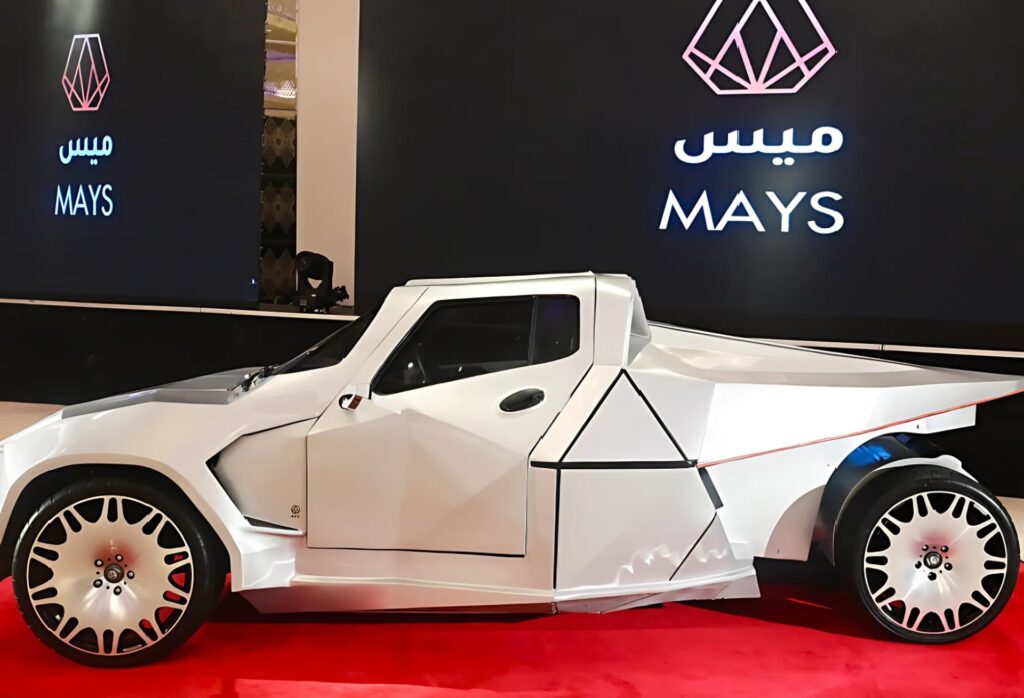
Electric & Hybrid Vehicles in Oman: Growth, Challenges & Infrastructure (2025 Report)
Focus keyword: The resale value for electric and hybrid vehicles in Oman, market growth, charging infrastructure, and cost comparison versus petrol cars. Vehicle Colour & Engine-Size Trends in Oman 2025.
The shift toward electric (EV) and hybrid vehicles in Oman is gaining serious traction as the country aligns with Oman Vision 2040 goals for sustainability, energy diversification, and modern mobility. While conventional cars remain dominant, the landscape is clearly changing—driven by rising consumer awareness, fuel price dynamics, and increasing availability of global EV brands.
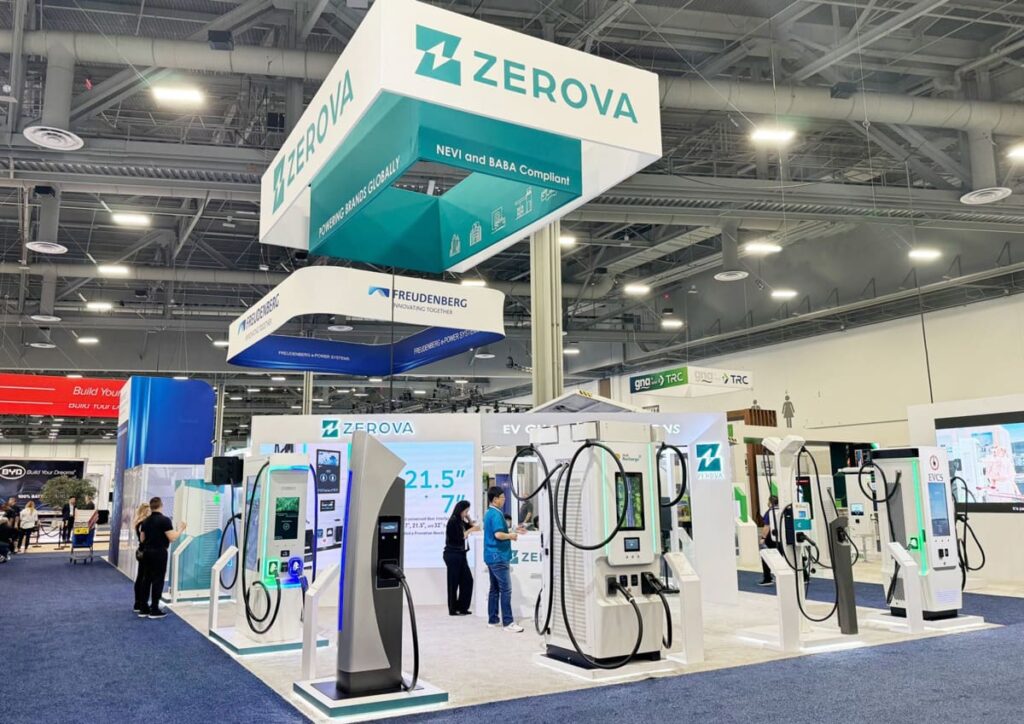
EV & Hybrid Market Overview in Oman (2025)
In 2025, Oman’s passenger car market shows that electric and hybrid cars make up around 7 % of new sales—a notable increase from just 2 % in 2022. Growth is propelled by the entry of brands like BYD, Tesla, MG, Hyundai Ioniq, Toyota Hybrid, and Lexus UX 300e.
The Ministry of Commerce, Industry and Investment Promotion (MoCIIP) has also simplified regulations on EV imports, while the Oman Investment Authority is exploring public-private partnerships for charging infrastructure.
Key Growth Drivers
- Government alignment with Vision 2040 sustainability goals.
- Private investment in public charging points and EV dealerships.
- Growing consumer focus on long-term cost savings and environmental responsibility.
- Improved battery durability in Oman’s desert climate.
Charging Infrastructure Development
As of late 2025, over 140 public charging points are active across Muscat, Sohar, and Salalah, led by companies such as Shell Recharge, OQ EV Network, and Tesla Destination Chargers.
Figure 2: EV Charging Station Distribution by City (2025)
Figure: EV Readiness by Region (Oman, 2025)
Charging Network Table
| City | Number of Chargers (2025) | Main Operators | Average Distance Between Chargers |
|---|---|---|---|
| Muscat | 85 | Shell Recharge / OQ EV | 4 km |
| Sohar | 35 | OQ EV / Private Garages | 8 km |
| Salalah | 20 | Oman Oil / Tesla Network | 12 km |
Cost to Run and Maintain EVs in Oman
Operating an electric vehicle is approximately 40 % cheaper per kilometer than a petrol car. Electricity tariffs for residential and commercial charging remain low, averaging 0.011 OMR/kWh (2025 rate). Moreover, EVs have fewer moving parts, resulting in reduced maintenance expenses.
Comparison: Annual Operating Costs (Oman 2025)
| Vehicle Type | Fuel / Energy Cost (OMR per year) | Maintenance (OMR per year) | Total Approx. Cost |
|---|---|---|---|
| Petrol Sedan | 700 | 400 | 1,100 OMR |
| Hybrid SUV | 400 | 350 | 750 OMR |
| Full Electric Vehicle | 250 | 220 | 470 OMR |
Although EVs can cost 15–25 % more upfront, the total cost of ownership balances out within four years of use, especially for high-mileage drivers such as taxi and fleet operators.
Incentives and Regulations
While Oman has yet to implement direct tax rebates for EV purchases, the government is introducing soft incentives such as registration discounts, parking privileges, and import-duty waivers for select models. The Royal Oman Police (ROP) has also streamlined registration for hybrid and electric categories. New Auto Brands Entering Oman.
Import and Registration Highlights (2025)
- No customs duty for zero-emission vehicles below 8 years old.
- Lower registration fees for vehicles emitting < 100 g CO₂/km.
- Standardized color-coded license plates for EV and hybrid identification.
Performance in Oman’s Climate
EV manufacturers have adapted battery cooling systems for Gulf heat. Tests show less than 10 % performance loss at 45 °C ambient temperature, a major improvement over early 2020 models. Furthermore, heat-resistant tire compounds and improved regenerative-braking systems suit Oman’s mountainous and coastal terrains.
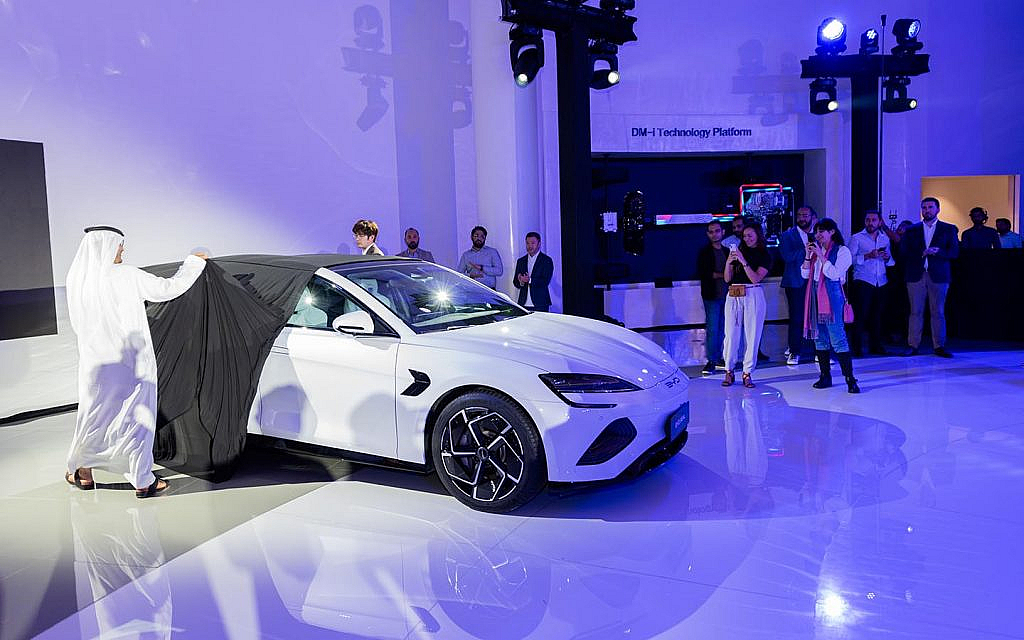
User Experience and Adoption Trends
Omani consumers increasingly view EVs as viable for daily commuting. The OmanWheels EV User Survey 2025 found that 68 % of respondents cited low operating cost as the top motivator, while 52 % expressed concern about battery life and resale value.
Top User Concerns
- Charging speed and network reliability.
- Battery degradation under hot conditions.
- Limited service centers outside Muscat.
- Resale value uncertainty in used-car markets.
EV vs. Hybrid: Which Suits Oman Better?
While hybrids remain the popular stepping-stone for most buyers, fully electric models are expected to surpass hybrid sales by 2030. Hybrids offer flexibility for long-distance travel and limited charging access regions, whereas EVs dominate in urban centers with developed infrastructure.
Vehicle Preference by Governorate
| Governorate | Preferred Technology (2025) | Key Reason |
|---|---|---|
| Muscat | Full EV | Better infrastructure and charging availability |
| Dhofar | Hybrid | Long-distance rural travel patterns |
| Al Batinah | Hybrid → EV Transition | Emerging charger network |
Future Outlook: Toward 2030 and Vision 2040 Goals
By 2030, Oman targets at least 20 % of new vehicle sales to be electric or hybrid. Corporate fleets and rental firms are leading adopters, supported by OQ EV and Mazoon Electricity Company’s infrastructure partnerships. Government logistics and postal fleets have also begun integrating EV vans.
Challenges Ahead
- High initial purchase price due to import logistics and battery costs.
- Need for technician training and EV-specific workshops in regional cities.
- Uncertainty in battery recycling and end-of-life policies.
- Requirement for consistent policy support to encourage private investment.
Conclusion: A Market Ready for Electric Mobility
Oman’s automotive market is at a pivotal stage—balancing between infrastructure readiness and growing public enthusiasm. As manufacturers, regulators, and consumers align under Vision 2040, electric and hybrid vehicles will soon move from novelty to necessity.
The transition won’t happen overnight, but momentum is clear. With strategic investment, policy clarity, and community awareness, Oman can position itself as a regional leader in sustainable mobility within the GCC by 2030.
© 2025 OmanWheels Research Desk | Data Sources: Oman EV Readiness Report 2025, MoCIIP Vehicle Registry, OQ EV Network, Tesla Oman Insights.
Related Post
Most Powerful American Cars in Oman 2025 | Best Used American Cars, Muscle Cars & Cheap Powerful Cars in Oman
Most Powerful American Cars in Oman in 2025: Muscle, Performance & Used Market Trends In [...]